

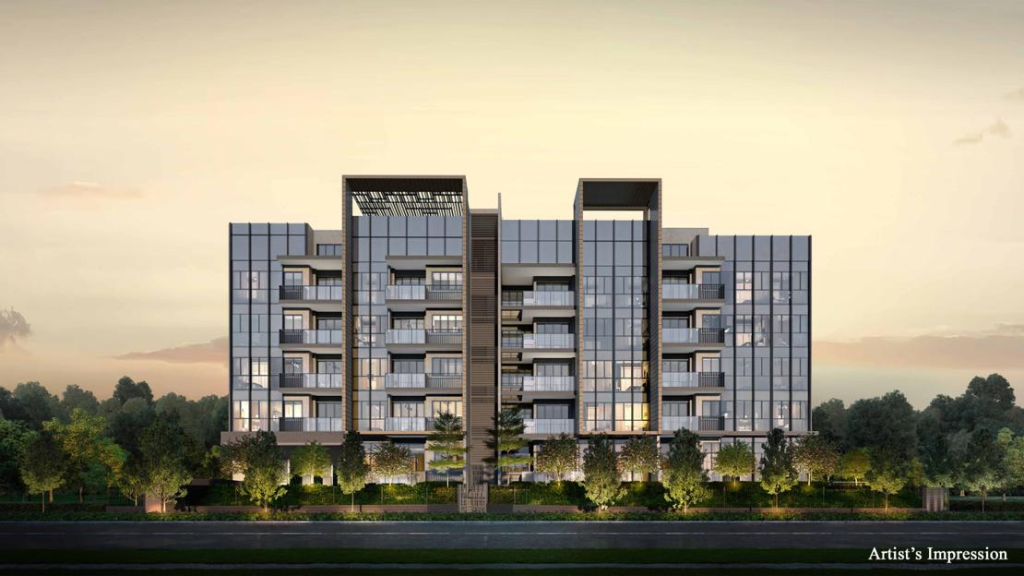
Singapore has always been called the Garden City. But in recent years, that label has evolved from a marketing slogan into a genuine design philosophy that is shaping the way developers think about homes.
More buyers today are asking a question that would have seemed unusual a decade ago: “How close is this development to nature?” That shift in thinking is driving demand for homes that blend the comforts of modern living with the restorative power of green spaces, fresh air, and open skies.
Why Biophilic Design Is Trending in Urban Homes
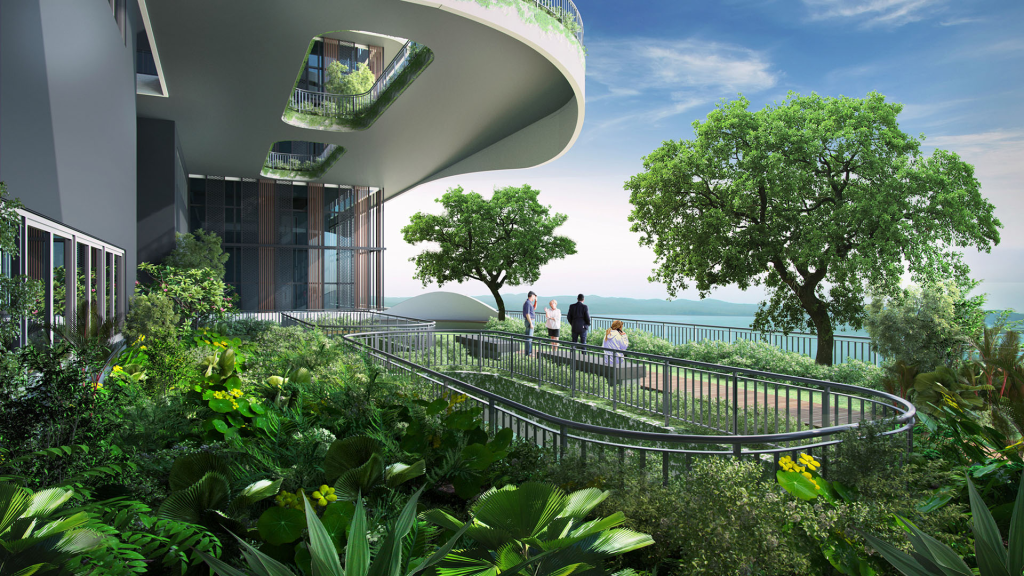
Biophilic design is the practice of connecting built environments with the natural world. It includes things like green walls, sky terraces, water features, natural light, and proximity to parks or forest reserves.
Research consistently shows that people who live near green spaces report lower stress levels, better sleep quality, and improved mental health. After years of working from home and spending more time indoors, Singaporeans have become acutely aware of how their immediate environment affects their wellbeing.
This is not just a trend — it is a lifestyle reset. And property developers have taken notice.
Thomson Reserve: Where the Forest Meets Home
Few residential addresses in Singapore carry the same sense of natural escape as Upper Thomson. Tucked along the edge of the Central Catchment Nature Reserve — one of Southeast Asia’s oldest and most biodiverse urban forests — this area is a genuine sanctuary within the city.
Thomson Reserve is a development that draws directly from this environment. Rather than pushing nature to the background, it makes greenery central to the living experience. Residents here wake up to birdsong, enjoy morning walks through forested trails, and come home to a development that feels grounded in its natural setting.
For buyers who have grown tired of the glass-and-concrete monotony of typical city condominiums, Thomson Reserve offers something genuinely refreshing. The architecture, the landscaping, and the overall character of the development reflect an understanding that nature is not just a backdrop — it is an active part of the living experience.
Upper Thomson has also benefited enormously from the Thomson-East Coast Line, which has brought connectivity without sacrificing the neighbourhood’s quiet charm. Residents can access the city quickly when they need to, and retreat into calm when they return.
The Eastern Green Corridor: Loyang’s Natural Appeal
The eastern part of Singapore often flies under the radar when it comes to nature-linked living, but it should not. The east has its own quiet green identity — one shaped by coastal breezes, open skies, and a slower rhythm of life that many Singaporeans find deeply appealing.
Loyang Valley Residences sits within this eastern green corridor. Loyang, as a residential enclave, is defined by its low-density character, its proximity to parks and open spaces, and its strong sense of community. It is the kind of place where evenings on the balcony feel genuinely relaxing, where the noise of the city feels far away, and where children have room to breathe.
The surrounding Pasir Ris Park — one of Singapore’s largest coastal parks — is within easy reach. So are park connectors, cycling paths, and nature spots that make outdoor living a daily habit rather than a weekend event.
For families who want green living without moving far from the airport, employment hubs, and shopping centres, Loyang Valley Residences offers an excellent balance.
Green Living Is Also Smart Investing
Beyond the lifestyle benefits, nature-adjacent properties in Singapore have shown strong long-term value. Homes near parks, water bodies, and nature reserves consistently command higher prices and retain their value better than comparable units in more urban, landlocked settings.
This makes developments like Thomson Reserve and Loyang Valley Residences interesting not just for end-users, but for investors who understand that the demand for green living is not going away. As Singapore continues to densify in certain corridors, areas that maintain a greener character will become increasingly rare — and therefore increasingly desirable.
The Shift Towards Wellness-Centred Living
The COVID-19 pandemic fundamentally changed what people wanted from their homes. Space, light, ventilation, and access to the outdoors moved from being nice-to-haves to being non-negotiables for many families.
Singapore’s property market responded. Developers began prioritising wellness facilities — lap pools, yoga decks, walking trails, and bicycle-friendly infrastructure. But nothing replaces genuine proximity to nature. A gym on the roof is wonderful, but a forest trail outside your door is irreplaceable.
Both Thomson Reserve and Loyang Valley Residences understand this distinction. They are positioned in areas where nature is a real, tangible neighbour — not a feature listed in a brochure, but a daily lived reality.
Who Should Consider Nature-Linked Developments?
Not every buyer is looking for the same things. Investors focused on rental yield might gravitate toward city-fringe or central developments with high tenant demand. But for several specific buyer profiles, nature-linked developments are an exceptional choice.
Families with young children benefit enormously from outdoor space and a calmer environment. Retirees and older buyers often prioritise air quality, walkability, and a slower pace. Remote workers and freelancers — a growing demographic in Singapore — find that being close to nature improves their focus and daily wellbeing. And buyers who simply want a home that feels like a sanctuary rather than just an address will find enormous value in what these green-adjacent developments offer.
Singapore’s Green Future
Singapore’s Urban Redevelopment Authority has consistently backed green planning as a pillar of the city’s long-term vision. From the expansion of park connectors to the push for more sky gardens and rooftop greenery in new developments, the direction is clear: Singapore’s future is greener.
This means that choosing a nature-integrated development today is not just about how you want to live right now. It is about positioning yourself within a city that is actively investing in green living as a core part of its urban identity.
Thomson Reserve and Loyang Valley Residences are not just homes. They are part of Singapore’s broader story of building a city where nature and urban life are not opposites — they are partners.
If that story speaks to you, these are developments worth looking at seriously.