

Human actions and decisions are central to workplace safety. When incidents occur, they often result from complex interactions between people, equipment, and the work environment. Recognising the psychological drivers of behaviour can help organisations move beyond simply reacting to incidents and toward proactively building a safer operational climate. This involves looking at why people make certain choices and how the work environment influences those decisions.
Understanding the Roots of Unsafe Actions
Many unsafe actions are not intentional but stem from inherent mental shortcuts the brain uses to make decisions quickly. These shortcuts, or cognitive biases, can distort how individuals perceive risk. For example, a person may underestimate the danger of a routine task simply because they have completed it many times without an incident. This is a common bias that can lead to complacency.
Other psychological factors can also play a part:
- Optimism Bias: This is the belief that negative events are more likely to happen to others. In the workplace, it can cause a worker to think, “an accident won’t happen to me,” leading them to take unnecessary risks.
- Confirmation Bias: People tend to favour information that confirms their existing beliefs. An experienced worker might ignore new safety warnings because their past experience suggests the task is safe, filtering out evidence to the contrary.
- Authority Bias: This is the tendency to follow the direction of authority figures, sometimes even when it contradicts personal judgment or safety rules. It can discourage workers from questioning a potentially unsafe instruction from a supervisor.
Recognising that these biases are a normal part of human thinking is the first step. Organisations can then develop strategies to counteract their effects, such as encouraging critical thinking and making hazard recognition a more deliberate process.
The Influence of Workplace Culture on Behaviour
An organisation’s culture has a significant influence on safety outcomes. This “safety culture” is the shared set of beliefs, values, and attitudes that shape how people behave regarding safety. It is often described as “the way we do things around here.” When employees perceive that the organisation values safety, it governs their performance.
Strong leadership commitment is directly related to better safety performance. When managers lead by example, follow safety protocols, and prioritise safety in their decisions, it sends a clear message to all employees. This creates an environment where safe behaviour becomes the norm. Conversely, if a manager walks through a work area without the proper protective equipment, it can diminish the importance of safety rules for everyone else.
Creating an Environment of Psychological Safety
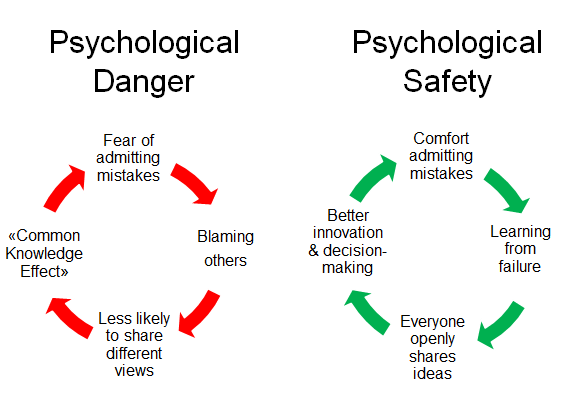
For employees to actively participate in safety, they must feel psychologically safe. Psychological safety is the belief that you can speak up with ideas, questions, concerns, or mistakes without fear of punishment or humiliation. In such an environment, workers are more comfortable reporting near misses and potential hazards, which provides valuable information for preventing future incidents.
When interpersonal fear is low, team members are more willing to share lessons from failures, ask for help, and challenge practices that might be unsafe. This fosters a culture of organisational learning and continuous improvement. Building this type of environment requires open communication, where leaders actively listen to employee feedback and act on it. It helps create a shared sense of responsibility for safety among all team members.
Encouraging Safe Choices Through Positive Reinforcement
Behaviour-based safety programs focus on observing actions and providing feedback to reinforce safe habits. A core principle of this approach is the use of positive reinforcement. Acknowledging and rewarding safe behaviours motivates employees to continue them. This can be more effective than punitive measures, which can create fear and discourage reporting.
Feedback should be constructive and consistent. When supervisors take the time to observe employees and have open discussions about safety, it reinforces the organisation’s commitment. This process helps turn conscious safety efforts into ingrained habits, making safety an automatic part of daily routines. The goal is to make safety a personal value for every employee, extending beyond the workplace.
Improving safety outcomes requires a deeper look into the human factors that drive behaviour. Organisations that address cognitive biases, build a strong safety culture, and promote psychological safety can empower their employees to make safer choices. Accessing an AI-driven behavioral safety solution can provide the data and insights needed to support these efforts and create a more proactive safety management system.
