

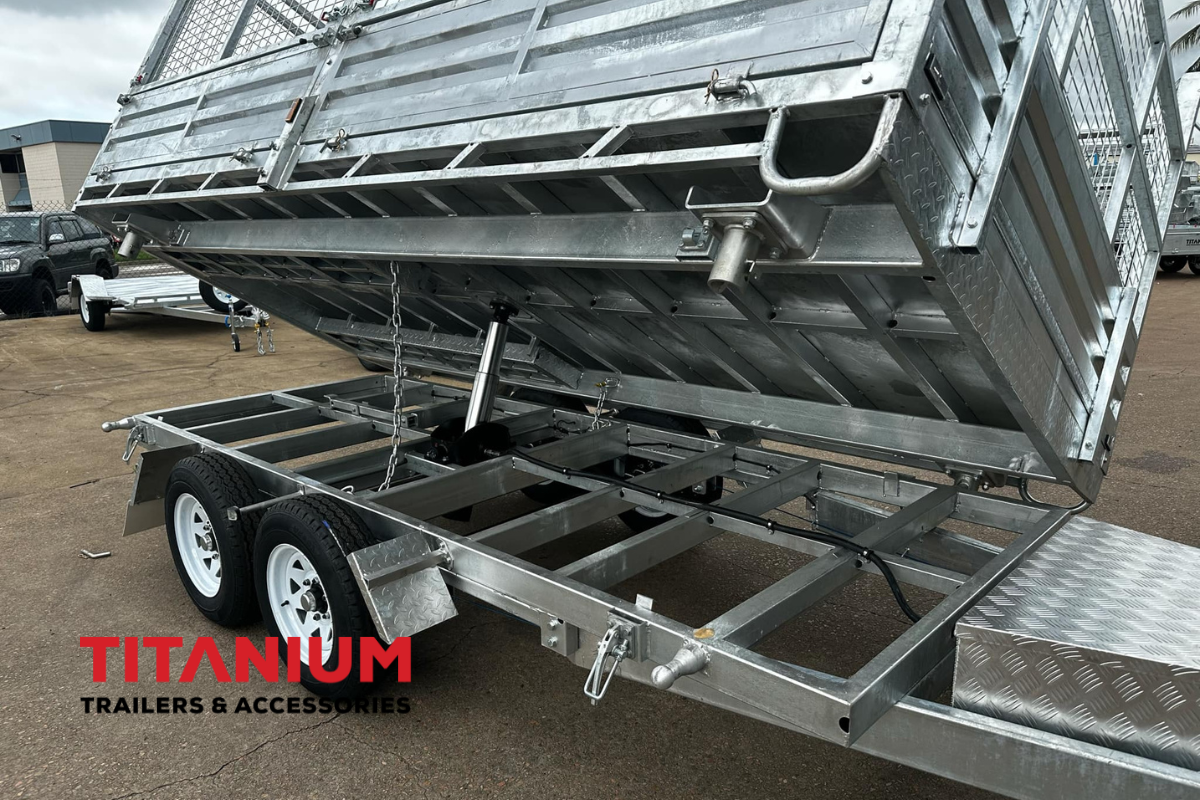
Flat top trailers have become an indispensable tool in various industries, offering unparalleled versatility and efficiency in transporting goods. These trailers provide an open platform without sides or a roof, making them ideal for carrying oversized or irregularly shaped loads. This comprehensive guide explores the key features and benefits of flat top trailers, highlighting how businesses can optimise their logistics and transport operations.
One of the primary advantages of using flat top trailers is their adaptability. Unlike enclosed trailers, flat tops can accommodate a wide range of cargo dimensions, allowing for easy loading and unloading from multiple angles. This flexibility significantly reduces turnaround times at loading docks, increasing overall operational efficiency.
Features of Flat Top Trailers
Flat top trailers are characterised by their flatbed design, usually constructed from durable steel or aluminium to support heavy loads. Many models come equipped with features such as reinforced decks, multiple tie-down points, and optional removable sides or racks to secure cargo effectively. The robust build ensures these trailers can withstand harsh conditions and heavy usage, making them a reliable choice for various transportation needs.
Applications Across Industries
These trailers are widely used in construction, agriculture, manufacturing, and logistics sectors. For instance, in construction, flat top trailers are essential for moving large machinery, building materials, and precast concrete components. Their open design allows for easy access by cranes and forklifts, facilitating rapid transfer of equipment and supplies.
Agricultural businesses also benefit from flat top trailers when transporting large quantities of produce, hay bales, or farm machinery. The open deck provides the capacity and convenience required for efficient operations throughout the farming cycle.
Loading and Security Considerations
Proper loading techniques are critical for maximising safety and efficiency when using flat top trailers. Distributing weight evenly across the deck is essential to maintain stability during transit. Operators should utilise appropriate tie-downs, such as ratchet straps and chains, to secure cargo firmly. Additionally, using edge protectors can prevent damage to goods and securing equipment.
Advantages over Other Trailer Types
Compared to enclosed or curtain-sided trailers, flat tops offer superior loading flexibility and easier access. They avoid the limitations imposed by side walls or doors, which can hinder the movement of large or awkward loads. Furthermore, these trailers often have lower tare weights, allowing for higher payload capacity and greater fuel efficiency during transport.
Cost-Effectiveness and Maintenance
Flat top trailers are generally more cost-effective owing to their simple design, which translates to lower manufacturing and maintenance expenses. Operators benefit from easier inspections and repairs, reducing downtime and prolonging trailer life. Regular maintenance, such as checking for corrosion, ensuring secure fastening points, and inspecting tyres, is necessary to maintain safety standards and operational efficiency.
Choosing the Right Flat Top Trailer
Selecting an appropriate flat top trailer requires consideration of load types, weight capacities, and operational requirements. Businesses should assess the dimensions and weight of typical cargo, the frequency of use, and compatibility with existing hauling vehicles. Consulting with manufacturers or suppliers can provide valuable insights into the best trailer specifications tailored to specific needs.
Environmental and Safety Regulations
Compliance with environmental and safety regulations is vital when operating flat top trailers. This includes adhering to load securing standards, vehicle weight limits, and safe driving practices to minimise risks. Operators should stay informed about local and national legislation governing trailer use to ensure legal compliance and avoid penalties.
Technological Innovations Enhancing Functionality
Advancements in materials and technology have further enhanced the performance of flat top trailers. Lightweight composites and high-strength alloys contribute to increased durability while reducing weight. Additionally, innovations such as integrated GPS tracking and load monitoring systems help optimise route planning and cargo management, contributing to greater overall efficiency.
Practical Tips for Maximising Efficiency
Optimising the use of flat top trailers involves strategic planning and operational discipline. Implementing standardised loading procedures, regular vehicle inspections, and driver training ensures safe and efficient transport. Organisations may also benefit from fleet management software to monitor trailer utilisation and maintenance schedules effectively.
Conclusion
Flat top trailers represent a versatile and efficient solution for transporting a diverse range of cargo. Their open design, adaptability, and cost-effectiveness make them invaluable across numerous industries. By understanding the core features, selecting suitable models, and adhering to best practices, businesses can significantly enhance their logistics operations and maximise operational efficiency.
For further information on flat top trailer options and specifications, organisations are encouraged to consult experienced suppliers to find solutions tailored to their unique requirements.
