

Key Takeaways
Plasma donation plays a vital role in enhancing the health of the community in Laredo. It serves as a lifeline for patients needing treatment for a range of medical conditions.
Interestingly, each plasma donation has the potential to save several lives. This fact underscores the necessity of maintaining a steady supply for hospitals and medical facilities.
The plasma donation procedure is designed to be efficient and safe. It includes an initial screening, a health assessment, and a comfortable donation experience that generally lasts between 45 minutes to an hour.
Misconceptions about plasma donation—like fears of pain or lengthy donation times—often dissuade prospective donors. Addressing these worries is essential to motivate participation.
Moreover, donors are compensated financially for their contributions, with amounts ranging from $20 to $50 per donation. This can provide an extra incentive alongside the motivation to help others.
Engaging in plasma donation strengthens community ties, as donors frequently connect with healthcare staff and each other, bolstering local networks and camaraderie.
For those interested in plasma donation in Laredo, locating local centers is easy through online resources or community boards, ensuring accessibility for all potential contributors.
The Essential Role of Plasma Donation in Community Health
Plasma donation is a crucial component of community health, especially in Laredo, where the demand for plasma, rich in antibodies and proteins, remains consistent. Many people might not be aware that each donation can save multiple lives. Hospitals essentially depend on a reliable supply of plasma to cater to patients with various conditions, ranging from burn recipients to those battling significant illnesses.
How Plasma Donation Improves Local Medical Resources
Experts in the healthcare field frequently emphasize that plasma donations are fundamental in strengthening local medical resources. Hospitals utilize plasma-derived therapies to treat individuals suffering from immune deficiencies, clotting disorders, and other severe health issues. When community members take part in plasma donation, they directly improve the ability of medical facilities to provide effective care. This active involvement can significantly minimize treatment delays, guaranteeing that patients obtain timely interventions.
- Aids in emergency situations: Blood banks require adequate plasma supplies for hospitals during critical events.
- Enhances treatment options: A stable plasma supply supports advanced therapies that can enhance patient outcomes.
- Builds community resilience: Involving local residents creates a strong healthcare network that supports the entire community.
Stories of Lives Saved: Real-Life Impact of Plasma Donation
Stories about plasma donations often resonate powerfully within communities. One touching account involves a young boy from the area who was afflicted with a rare disease that weakened his immune system. His treatment depended on regular plasma infusions, most of which were made possible thanks to generous donors. His mother often shares how significant community support was—how families came together to ensure he received the necessary treatment.
“Without the support of plasma donors, my son wouldn’t have had the chance to fight for his life,” she states. “Every donation means so much.”
Individuals like this young boy have greatly benefited from plasma donations. However, it’s not just recipients who gain; donors also derive a sense of pride. Understanding that their contributions can save lives creates a meaningful bond between the donor and the recipient.
Understanding the Plasma Donation Process: What to Expect
The plasma donation process is well-organized yet straightforward. There’s no reason for potential donors to be apprehensive; the system is designed for efficiency and respect. Knowing what to expect can help demystify the experience, making it more inviting.
Step-by-Step: From Initial Screening to Final Donation
Initially, every donor undergoes screening to confirm their eligibility. The typical process unfolds in the following manner:
- Initial Screening: A medical questionnaire is completed, evaluating health history and lifestyle choices.
- Health Assessment: A health professional monitors vital signs and overall condition.
- Blood Test: A small sample is taken to check hemoglobin levels and blood type.
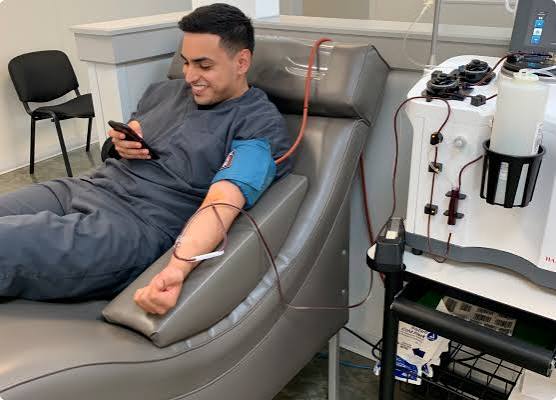
- The Donation: Once cleared, the actual plasma donation takes roughly 45 minutes to an hour, during which donors relax in a comfortable chair.
- Aftercare: After donating, a quick snack and hydration help restore energy levels.
This methodical approach provides reassurance to many. Concerns about safety and well-being tend to diminish once the process is clarified. It’s as simple as a willingness to make a positive impact on society—no heavy lifting involved.
Addressing Common Misconceptions About Donating Plasma
Misperceptions surrounding plasma donation can deter individuals. For instance, the belief that donating plasma is painful often prevents participation. In reality, while there may be a slight pinch during needle insertion, the discomfort is minimal compared to the incredible impact of the act itself.
- Myth: Donating plasma takes too long. Truth: The actual donation takes less than an hour.
- Myth: Anyone can donate. Truth: There are strict eligibility requirements to ensure the safety of donors.
- Myth: It harms your health. Truth: Donors frequently experience no adverse effects and may even feel more energized afterward.
Dispelling these misconceptions can broaden the pool of potential donors, benefiting community health initiatives. Overcoming fears starts with clear and open communication.
Becoming a Plasma Donor: Benefits Beyond Saving Lives
Engaging in plasma donation goes beyond altruism; it also brings tangible advantages for donors. Many individuals discover surprising benefits in addition to the satisfaction of saving lives.
Financial Compensation: What Donors Can Expect
Professional organizations recognize that financial compensation can be a powerful motivator for many. While the desire to help others should lead the way, the knowledge that plasma donation can provide some monetary return adds an attractive dimension. Compensation varies by location and center, but donors generally receive payment for each donation, which can serve as a strong incentive amid life’s financial demands.
- Typical compensation: Amounts can vary but usually fall between $20 to $50 per donation.
- Referral bonuses: Certain facilities offer incentives for referring friends or family to donate.
- Medical benefits: Regular donors may receive free health screenings as part of the process.
This combination of altruistic intent and financial benefit creates a win-win situation. Donors are rewarded for their generosity while also aiding others; it’s a fulfilling equation that encourages continued involvement.
Community Connection: The Social Benefits of Plasma Donation
Plasma donation can nurture robust community connections. Numerous donors establish bonds with staff and share personal stories, creating a warm environment that transcends the donation itself. Communities thrive on interpersonal ties, and plasma donation fosters a sense of camaraderie that invigorates local networks.
Additionally, participating in blood drives or donation events often brings neighbors and friends together, further reinforcing community spirit. Each donation weaves a thread into the community’s fabric.
Getting Involved: How to Start Donating Plasma in Laredo
Individuals eager to contribute through plasma donation in Laredo are fortunate, as numerous resources are available to help facilitate this life-saving act. Initiating the journey is straightforward, with ample support for anyone choosing to join this worthy cause.
Finding the Nearest Plasma Donation Center in Laredo
Searching for a nearby donation center begins online. Resources like local health departments or dedicated plasma donation facilities provide listings and valuable information. Most centers prioritize accessibility to make sure potential donors are not far from home. Here are some common ways to find a center:
- Online search: Use search engines to identify local plasma donation centers.
- Community boards: Many local organizations or hospitals frequently update information about donation drives.
- Referrals: Speaking with friends or family can provide helpful insights and motivate participation.
Identifying the right center is the first step. Once a location is selected, the journey can be filled with anticipation and excitement.
Scheduling Your First Donation: Tips for New Donors
New donors should plan for their first donation with some preparation. Ensuring everything goes smoothly is crucial. Here are a few pointers for those new to the process:
- Research your center: Get familiar with the facility’s procedures, hours, and requirements.
- Hydrate well: Staying hydrated can make the donation process more comfortable and efficient.
- Eat a balanced meal: Consuming a nutritious meal beforehand can help stabilize blood sugar levels.
- Bring identification: Most centers will require valid ID before proceeding.
Preparation sets the stage for comfort. Having knowledge breeds confidence, allowing donors to concentrate on the many rewarding aspects of giving back.
Donating plasma is not just a simple act; it is a meaningful commitment to enhancing community welfare. Every individual in Laredo has the capacity to make a difference. Engaging in this crucial process transforms lives, strengthens bonds, and fortifies community health.
FAQ
What types of medical conditions benefit most from plasma donation?
Plasma donations are vital for treating conditions such as immune deficiencies, clotting disorders, and severe burns. In numerous cases, patients needing life-saving therapies rely significantly on the antibodies and proteins present in donated plasma.
Can anyone donate plasma, or are there restrictions?
Eligibility for plasma donation is primarily governed by stringent health guidelines. Factors like age, weight, and general health are evaluated to ensure donor safety. It’s critical to consult with the donation center for specific criteria.
How often can someone donate plasma?
Typically, donors may donate plasma once every 28 days. This frequency enables adequate recovery of plasma levels in the body, ensuring safety for both donors and recipients.
Is there any preparation needed before donating plasma?
Yes, prospective donors should hydrate properly and consume a nutritious meal prior to their appointments. Arriving well-prepared contributes to a more comfortable donation experience and helps maintain energy levels.
What happens to the plasma after donation?
After collection, plasma is tested to ensure safety and efficacy. Approved plasma is processed to create life-saving therapies, which can be utilized in various treatments, underscoring its essential role in healthcare.
Are there any benefits to donating plasma besides saving lives?
How long does the entire plasma donation process take?
The entire process, from initial screening to the actual donation, typically lasts around 60 minutes. The donation itself takes about 45 minutes to an hour, making it quite efficient for those looking to contribute.
Can you donate plasma if you’ve had a vaccine recently?
Generally, yes, but it depends on the vaccine type. Some centers may impose specific waiting periods following certain vaccinations. Therefore, verifying with the donation center beforehand is pivotal to ensure eligibility.
