

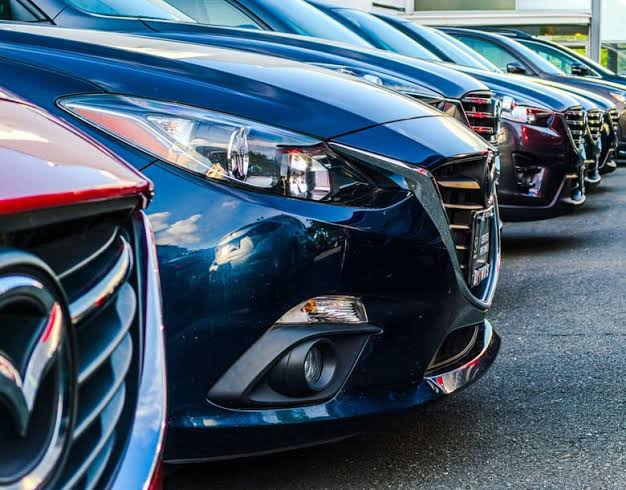
Choosing between a new and used vehicle is one of the first decisions drivers face when it is time to change cars. While buying new offers certain advantages, pre-owned vehicles can provide an appealing combination of affordability, choice, and value. For many shoppers, a used vehicle makes it possible to purchase a dependable car with desirable features while keeping monthly payments and overall ownership costs more manageable.
Modern vehicles are also designed to remain on the road for many years when properly maintained. As a result, buying used does not necessarily mean settling for an outdated or unsuitable car. Many pre-owned vehicles still offer contemporary styling, advanced safety equipment, comfortable interiors, and reliable performance. For drivers willing to compare their options carefully, the used market can provide excellent value.
More Choice Within a Set Budget
One of the biggest attractions of shopping for a used vehicle is the amount of choice available at different price points. A budget that might cover an entry-level new vehicle could potentially provide access to a higher trim level, a larger model, or a vehicle with more optional equipment when shopping pre-owned.
Buyers researching used vehicles Orlando can compare different model years, body styles, features, and mileage levels to see what fits their requirements. Looking across a varied selection can make it easier to prioritize the characteristics that matter most without focusing exclusively on the newest model year.
For example, a buyer who wants leather seating, a larger touchscreen, advanced driver-assistance features, or additional cargo space may find those options more affordable in a used vehicle. Instead of choosing a basic new model, the buyer may be able to select a well-equipped pre-owned vehicle that better matches their lifestyle.
Depreciation Can Work in the Buyer’s Favor
New vehicles generally experience some of their fastest depreciation during the early years of ownership. Although depreciation varies by make and model, purchasing a used vehicle means the first owner has already absorbed part of that initial reduction in value.
Used vehicles will continue to depreciate, but the rate may be less dramatic than it was when the vehicle was new. For buyers who intend to keep their next car for several years, this can make a pre-owned model an attractive option. A lower purchase price may also reduce the amount financed, which can help lower monthly payments and limit the total interest paid over the life of a loan.
Depreciation is especially important for drivers who change vehicles regularly. While no vehicle is completely protected from losing value, buying after the steepest part of the depreciation curve may help owners retain more of their investment when they eventually decide to sell or trade.
Modern Used Cars Can Still Offer Useful Technology
Buying used does not necessarily mean giving up modern technology. Many relatively recent pre-owned vehicles include features such as smartphone connectivity, touchscreen infotainment systems, reversing cameras, keyless entry, heated seats, and driver-assistance technologies.
Depending on the model and trim level, used vehicles may also offer blind-spot monitoring, adaptive cruise control, lane-departure warnings, automatic emergency braking, and parking sensors. These features can improve convenience and may provide additional confidence during daily driving.
The exact equipment varies according to model, trim, and year, so shoppers should identify which features are genuinely important before beginning their search. Comparing specifications carefully can help buyers avoid paying extra for technology they are unlikely to use. It is also worth checking whether a vehicle’s software, navigation system, and smartphone compatibility meet current needs.
Vehicle History Information Helps Buyers Research
Access to vehicle history information has made it easier for shoppers to learn more about a used car before making a decision. Depending on the information available, buyers may be able to review reported accidents, ownership history, mileage records, title information, and other useful details.
Maintenance records can provide additional insight into how well a vehicle has been cared for. Evidence of regular oil changes, tire replacements, brake service, and scheduled maintenance may indicate that previous owners took their responsibilities seriously. However, records should always be considered alongside the vehicle’s current condition.
A professional inspection may also be worthwhile, particularly for an older or higher-mileage vehicle. An independent technician can examine important components such as the engine, transmission, suspension, brakes, tires, and electrical systems. Identifying potential issues before purchase can help buyers make a more informed decision and avoid unexpected repair costs.
Financing and Ownership Costs Matter
The purchase price is only one part of a vehicle’s total cost. Buyers should also consider insurance, fuel, maintenance, registration, taxes, and financing expenses. A used vehicle may offer savings in one area but cost more in another, depending on its age, engine, mileage, and condition.
Insurance premiums can sometimes be lower for a used vehicle because its replacement value is less than that of a new model. However, rates vary based on the driver, location, vehicle type, coverage level, and insurance provider. It is sensible to request an insurance estimate before finalizing a purchase.
Routine maintenance should also be included in the budget. Even a reliable used vehicle may eventually need new tires, brakes, batteries, or other wear items. Planning for these expenses can make ownership more predictable.
Used Vehicles Can Suit Changing Lifestyles
Another advantage of the used market is flexibility. A driver who previously owned a compact car may now need an SUV for additional passenger space, while someone with a long commute might prioritize fuel economy and comfort. Families may require more seating and cargo capacity, whereas an individual buyer may prefer a smaller vehicle that is easier to park and less expensive to operate.
Shopping pre-owned can make these changes more financially manageable. It also allows buyers to consider vehicles from several model years rather than limiting the search to the latest releases. This broader selection can be particularly helpful for shoppers with specific requirements, such as all-wheel drive, towing capability, hybrid efficiency, or a particular interior layout.
A Thorough Test Drive Remains Important
Online research is useful, but it should not replace an in-person inspection and test drive. A vehicle may appear ideal in photographs and specifications but feel different once driven. During a test drive, buyers should pay attention to acceleration, braking, steering, transmission behavior, visibility, cabin noise, and overall comfort. It is also worth testing features such as climate controls, infotainment systems, power seats, windows, and safety technology.
The driving experience should suit the buyer’s everyday routine. Someone who spends hours commuting may place greater importance on seat comfort and road noise, while a family may focus on rear-seat space and ease of access. Ultimately, the increasing appeal of used vehicles comes down to choice and value. By researching carefully, reviewing a vehicle’s condition and history, considering long-term ownership costs, and taking a thorough test drive, drivers can find a pre-owned car that suits both their everyday needs and their longer-term budget.
