

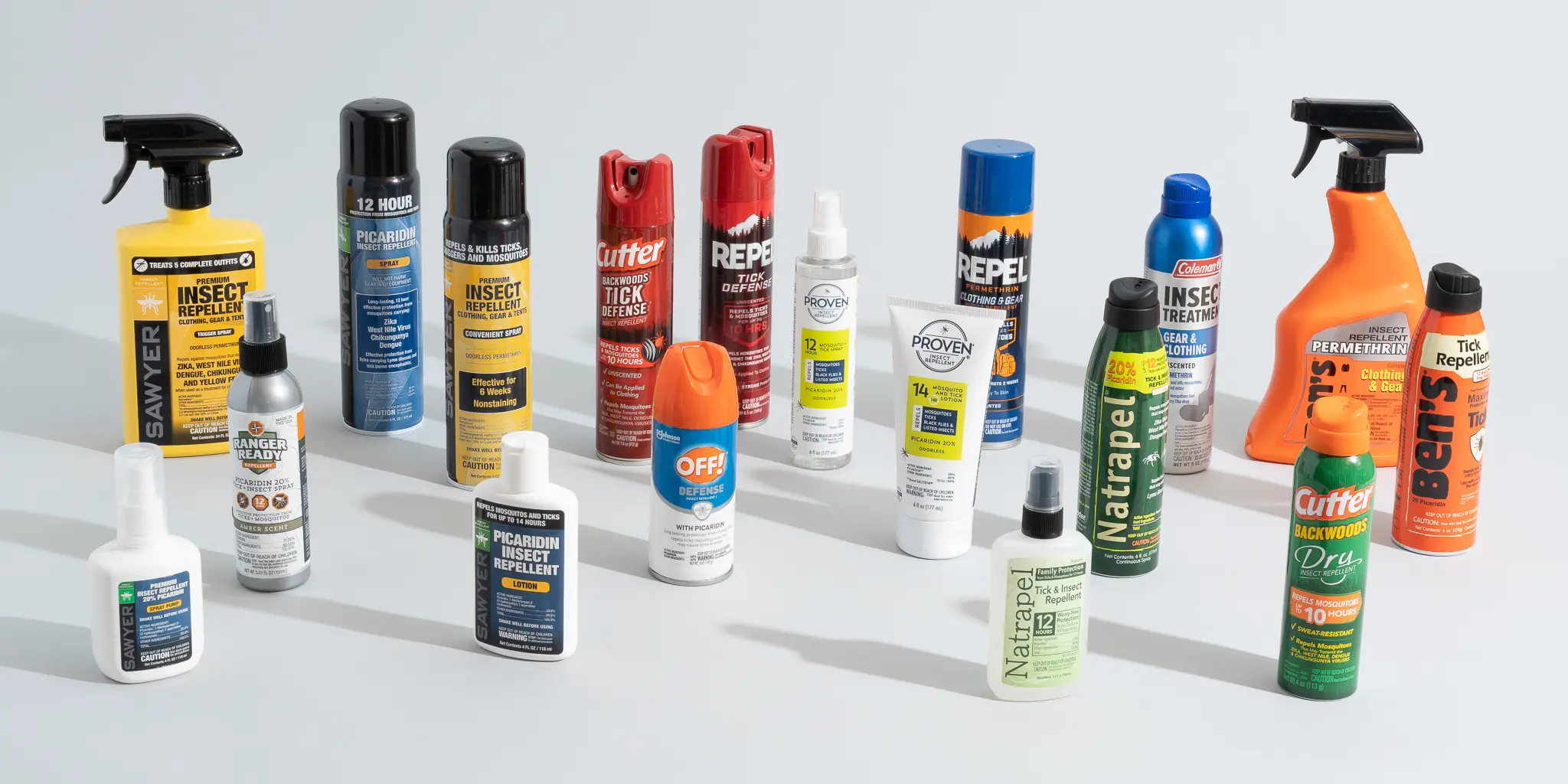
It starts with a single sighting. A cockroach scurrying behind the bin. A line of ants trailing across the kitchen counter. The instinct is immediate, reach for a can of spray, treat the area, and consider the problem handled.
For a day or two, it seems to work. The insects disappear, and the house feels normal again. Then, almost without warning, they return. Sometimes in greater numbers than before, and in places you hadn’t noticed them until now.
This experience is far more common than most homeowners realise. Store-bought sprays are designed to kill what they touch, but the insects you can see are rarely the full extent of the problem. The real infestation, the nests, the eggs, the colonies, is typically somewhere out of sight entirely.
Why Store-Bought Sprays Often Fall Short
The appeal of a spray can is understandable. It’s immediate, it’s affordable, and it produces visible results. But the limitations are significant.
Contact sprays kill only the insects they reach directly. They do nothing to hide nests, where hundreds or thousands more may be living undisturbed. Eggs and larvae continue developing, completely unaffected. And because the surface treatment disrupts foraging patterns, pests frequently relocate to another part of the house rather than dying off.
The result is a problem that appears to be resolved, until it isn’t.
How Sprays Can Actually Make an Infestation Worse
There is a less obvious consequence to spraying that many homeowners don’t anticipate: in some species, chemical exposure triggers a scattering response. Rather than killing the colony, the spray disperses it.
Cockroaches, for example, will retreat deeper into wall cavities when disturbed by surface treatments. Certain ant species split into multiple satellite colonies when threatened. What was once a contained problem in one room can spread to several areas of the house within days, each one harder to locate and address than the last.
This dispersal effect is one of the main reasons that repeated DIY treatment can actually set back resolution rather than advance it.
Why Most Pest Problems Begin in Hidden Spaces
Understanding where pests actually live explains why surface sprays are so often insufficient. The insects you see moving across floors and benchtops are typically foragers, a small fraction of the population venturing out in search of food or water.
The majority are elsewhere: behind appliances, inside wall cavities, beneath floorboards, in roof spaces, inside cupboards and storage areas rarely disturbed by day-to-day activity. These are warm, dark, humid environments that offer everything a colony needs to establish itself.
No amount of spray applied to visible surfaces reaches these spaces. The colony continues growing, and the foragers keep returning.
What Professional Pest Control Does Differently
The most significant difference between a professional approach and a DIY one is where the process begins. A qualified pest control technician doesn’t start with treatment; they start with inspection.
Before any product is applied, a professional will assess the full property: locating nesting sites, tracing entry points, identifying the specific species involved, and understanding the extent of the infestation. This matters because different pests require fundamentally different treatment strategies. What works for German cockroaches won’t necessarily work for subterranean termites. What eliminates a black ant trail will not address a roof rat problem.
Professional pest control is built around identifying and addressing the source, not reacting to visible symptoms.
Why Targeted Treatments Are More Effective
Once the source is identified, professionals apply treatments designed to eliminate the entire colony, not just the individuals on the surface.
Specialised baits are formulated so that foraging insects carry the active ingredient back to the nest, where it spreads through the population. Treatments are placed in hidden areas where pests actually live, not just where they pass through. Products used by licensed technicians are formulated for longer residual activity, providing ongoing protection after the initial treatment. And entry points are addressed to prevent re-infestation.
This is the core difference that makes professional pest control more effective in the long run. It removes the colony, not just the symptoms.
When DIY Treatments Delay the Real Solution
Every week spent applying store-bought sprays to an established infestation is a week the colony continues to breed and expand. Nests grow larger. Entry points remain open. Eggs hatch undisturbed. And homeowners keep spending money on products that provide only temporary relief.
By the time professional help is finally sought, often out of frustration after months of repeated treatment, the infestation is frequently far larger and more complex than it was at the outset. What might have been resolved efficiently with early professional intervention has become a more extensive and costly problem.
This is one of the most important reasons not to delay when DIY approaches aren’t producing lasting results.
Signs It’s Time to Call a Professional
There are clear indicators that a pest problem has moved beyond what household products can manage:
Pests return within days of treatment. Sightings increase rather than decrease after spraying. Activity begins appearing in rooms where it wasn’t present before. Visible droppings, nesting material, or structural damage become apparent.
Any one of these signs suggests an established infestation. All of them together point clearly toward the need for professional pest control.
Practical Steps Homeowners Can Take Alongside Treatment
Professional treatment is significantly more effective when supported by good household habits. Removing accessible food sources, addressing moisture problems in bathrooms and under sinks, sealing visible gaps around pipes and entry points, and maintaining regular cleaning routines all reduce the conditions pests are drawn to.
These steps don’t replace professional intervention, but they do support it, shortening treatment timelines and reducing the likelihood of re-infestation.
Why Solving the Source Matters
Seeing pests disappear after spraying can feel like a resolution. In many cases, it isn’t. The colony is still there, regrouping, continuing to breed, waiting for conditions to stabilise before foraging again.
Lasting control requires addressing what you can’t see, not just what you can. That means understanding where pests are actually living, why they’ve chosen that location, and what it takes to eliminate the population at its source, not just its edges.
That’s the work professional pest control is designed to do, and it’s why the results last.