

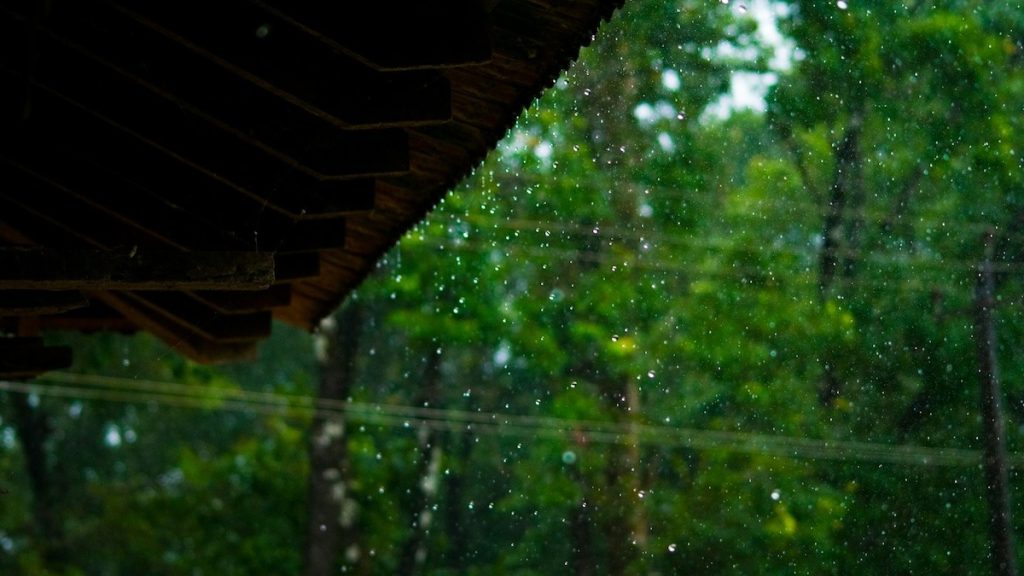
As a longtime resident and someone who has helped countless neighbors with home maintenance issues in Palm Beach Gardens for over three decades, I’ve seen firsthand how heavy rain events can quickly turn into serious problems for local homeowners. The recent storms that swept through our area in early April delivered several inches of rain in short periods, exposing vulnerabilities in roofs, windows, and exterior walls across neighborhoods like Frenchmen’s Landing, Mirasol, BallenIsles, and older communities along Northlake Boulevard. What often starts as a minor leak can rapidly lead to mold growth in our high-humidity environment.
Here are practical, field-tested steps every homeowner should take to address water intrusion and prevent costly mold issues.
Stop the Water Intrusion Immediately
The first priority is to locate and temporarily contain any active leaks. Check your attic during daylight hours or use a strong flashlight at night to inspect the underside of the roof deck and insulation for damp spots or sagging material. If you discover active leaks, apply a temporary exterior patch using high-quality roof sealant or tar paper until a permanent repair can be made.
Inside the home, move furniture away from affected areas, place absorbent towels or plastic sheeting to protect floors, and lower your air conditioning to around 68°F while directing fans toward wet surfaces. Reducing moisture and promoting rapid drying is critical in South Florida’s climate, where mold can begin forming within 24 to 48 hours.
Identifying Hidden Water Leaks
Water often enters through less obvious points. Carefully inspect window and door caulking, especially on east and southeast exposures where salt air accelerates deterioration. Check door sills for moisture under carpet or tile edges. Also examine air conditioning condensate lines and drain pans, which frequently clog and overflow during heavy rains.
A reliable moisture meter, available at most local hardware stores, is an invaluable tool for detecting hidden dampness in walls, baseboards, and ceilings. Readings above 16% typically indicate a problem that requires prompt attention.
Addressing Mold Concerns
Mold growth is a common consequence of water intrusion in Palm Beach Gardens homes. If you notice a musty odor but no visible growth, the issue may be concealed behind drywall or under flooring. For small, isolated patches (smaller than a dinner plate), a solution of one cup bleach to one gallon of water can be applied with proper safety precautions, including a quality respirator.
Allow the area to dry thoroughly for at least 48 hours with dehumidifiers running, then apply a mold-inhibiting primer. For larger areas or when mold is suspected in HVAC systems or extensive wall cavities, it is strongly recommended to consult with a certified mold remediation company in Palm Beach Gardens like Mold Only who’s familiar with Florida building standards.
Working with Insurance and Documentation
Thorough documentation is essential when filing claims. Take clear, dated photographs of all damage and affected areas. Most standard homeowners policies cover sudden water damage from storms, but may exclude issues stemming from poor maintenance. Review your policy carefully and consider consulting a local public adjuster or reputable roofing contractor if you encounter disputes with your insurance provider.
Long-Term Prevention Strategies
To minimize future risk from seasonal storms, consider these proactive measures:
- Schedule a professional roof inspection annually, with a thorough walk-on evaluation rather than drone-only assessments. Focus on flashing around vents and chimneys, cracked or displaced tiles, and signs of decking movement.
- Clean gutters and downspouts at least twice per year to prevent debris blockage, particularly from palm fronds and local vegetation.
- Have impact-rated windows and doors serviced regularly to ensure seals remain intact and tracks are free of dirt and debris.
Palm Beach Gardens offers a beautiful lifestyle, but our subtropical climate demands vigilance when it comes to home maintenance. Acting quickly after heavy rains can prevent minor leaks from escalating into major repairs. If you suspect water intrusion or mold in your home, addressing it promptly with the right approach will protect both your property and your family’s health.
Stay proactive, and if the situation feels overwhelming, reach out to trusted local professionals who understand the unique conditions of our coastal and inland neighborhoods. A little prevention goes a long way in keeping your home dry and comfortable year-round.