

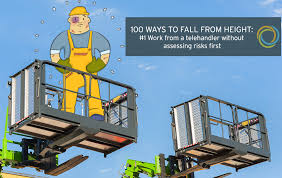
A telehandler man basket can be a smart solution when a job needs safe, flexible access at height without the setup time and footprint of scaffolding. Used correctly, it helps crews reach elevated work areas quickly, keep tools close, and maintain a stable platform for short to medium-duration tasks. The result is often a smoother workflow and fewer risky workarounds.
That said, a telehandler man basket is not “just a basket.” It is a personnel platform, and that changes everything. The safety rules are stricter, the inspection expectations are higher, and operator discipline matters more than speed. When teams treat it as purpose-built access equipment and follow manufacturer and site requirements, it can deliver both strong safety performance and real productivity gains.
Understanding the telehandler man basket and why it matters
Telehandlers were originally designed for lifting and placing loads, not people. Over time, as job sites demanded more mobile access solutions, manufacturers and safety standards evolved to support approved personnel platforms. The telehandler man basket emerged as a practical option for tasks where a boom’s reach and maneuverability can replace ladders, makeshift platforms, or repeated equipment changes.
The evolution of man baskets from improvised platforms to engineered systems
Early “man baskets” on job sites were sometimes improvised, which created obvious risks. Basic platforms might lack proper attachment systems, fall protection points, and guardrail strength. As safety programs matured and regulations tightened, the industry moved toward engineered baskets built specifically for telehandler use.
Modern man baskets are designed with structural integrity and predictable performance in mind. They are typically built from high-strength materials and manufactured to meet established standards. They also come with rated capacities, required connection methods, and safety features that support fall prevention and secure positioning. That evolution has changed how crews work at height. It has reduced reliance on temporary solutions and made elevated work more repeatable and controlled.
Safety features that should be standard, not optional
A telehandler man basket should include features that support fall prevention and stable footing, especially in changing conditions.
Key features commonly expected include:
- Full guardrail systems with proper mid-rails and toe boards to reduce fall risk and tool drop hazards
- Non-slip flooring to improve traction, especially in wet or dusty environments
- Dedicated harness anchorage points rated for personal fall protection systems
- Secure attachment hardware that properly connects the basket to the telehandler in the approved manner
- Clearly marked capacity information so crews do not guess on weight limits
These features work best when paired with correct operating practices. A strong guardrail does not help if workers climb on it. A harness point does not help if the harness is not used correctly. The platform is only as safe as the system around it.
Real-world value across industries
The usefulness of a telehandler man basket shows up clearly in industries where access needs change rapidly and where setup time can quietly drain productivity.
In construction, crews often use man baskets for elevated installations, punch list work, and tasks that require frequent repositioning. Instead of building and moving scaffolding, teams can reposition the telehandler quickly and keep work moving.
In wind energy and industrial maintenance, man baskets can support inspections and servicing on tall structures where fixed access systems are limited or where work areas shift along a face or tower.
In agriculture, they can help with seasonal tasks such as pruning or structure maintenance, particularly when terrain is uneven and ladders create stability problems.
Across these environments, the common theme is simple: safer access plus faster repositioning equals a smoother day.
How telehandler man baskets improve workflow and productivity
Efficiency is not just about speed. It is about reducing wasted motion, minimizing equipment swaps, and creating a stable process crews can repeat. A telehandler man basket can support those goals when the work is planned well and the platform is used in the right situations.
Time savings compared with traditional access methods
Scaffolding and certain lift setups can be reliable, but they often require time to assemble, move, and re-level. For short-duration tasks or jobs with many small work points, those setup cycles add up.
A telehandler man basket can reduce that setup time in many scenarios. The telehandler can drive to the work area, position the boom, and provide access with fewer intermediate steps. This can be especially valuable for:
- Work that moves along a building face
- Projects with multiple small elevated tasks
- Sites where access points change daily
- Tight schedules where downtime is costly
The efficiency boost tends to be highest when the telehandler is already needed on site for material handling. Using one machine for multiple roles can reduce equipment congestion and improve coordination.
Versatility in different sectors and work types
One reason telehandler man baskets remain popular is flexibility. The same telehandler that moves pallets, places materials, or supports framing can also provide personnel access when equipped with the correct platform and approved configuration.
Utilities teams may use them for maintenance tasks where height and reach change frequently. Warehouses sometimes use approved access solutions for high-rack tasks, depending on site rules and equipment approvals. Production facilities and plants can use them for overhead maintenance where permanent access is limited.
Even creative industries use elevated platforms for positioning, lighting, or camera work, though job-specific safety requirements still apply. The platform’s value is that it brings people to the point of work efficiently, while keeping a stable base and strong reach control.
Pairing telehandlers with other attachments without losing control
Telehandlers are often chosen because they can accept different attachments. That flexibility can be a major advantage, but it also creates risk if teams treat attachments as interchangeable without verifying approvals.
To protect both safety and productivity, make sure the telehandler’s configuration supports personnel lifting when a man basket is used. Some machines require specific settings, sensors, or approved control modes. Some job sites require additional controls, such as platform control stations, depending on regulations and manufacturer design.
A good practice is to treat personnel lifting as its own operating mode. When you switch into that mode, the whole team should understand that the rules change. This mindset helps prevent casual decisions like “just one quick lift” that bypass safety steps.
Best practices for safe telehandler man basket use
A telehandler man basket can be safe and efficient, but only when training, inspection, and operational discipline are treated as non-negotiable. Many incidents happen when teams rush, improvise, or skip small steps that seem harmless in the moment.
Training and authorization that build real competence
Training should cover more than basic telehandler operation. Personnel lifting introduces new hazards: fall risk, platform stability, overhead hazards, and communication challenges. Both the operator and the occupants need to understand their roles.
Strong training programs often include:
- Understanding load charts and how boom angle and extension affect stability
- Knowing the rated capacity of the man basket, including people and tools
- Platform entry and exit procedures
- Proper use of harnesses and approved anchor points
- Clear communication methods between operator and platform occupants
- Site-specific hazard recognition, such as power lines and uneven ground
Hands-on practice matters. Classroom knowledge helps, but controlled practice builds judgment. Crews should rehearse normal lifts and emergency procedures so responses are not improvised under pressure.
Inspections and maintenance that prevent failures
Inspections should happen at multiple levels. A quick pre-use inspection can catch obvious issues. Scheduled formal inspections ensure deeper checks are completed by qualified personnel.
Before use, operators and crew should visually check:
- Attachment points, pins, hooks, and locking mechanisms
- Guardrails, gates, and toe boards
- Flooring condition and any signs of damage
- Harness anchor points and labeling
- Hydraulic performance and unusual machine behavior
- Tires, stabilizers (if applicable), and ground conditions
Regular maintenance is equally important. Keeping records of inspections and repairs helps track trends and supports compliance. It also reduces downtime because problems are caught before they become failures.
Common pitfalls that increase risk quickly
Many problems come from predictable mistakes, especially when teams get comfortable.
Exceeding capacity is one of the most dangerous errors. Capacity includes people, tools, and materials. Even small overages can affect stability, especially when the boom is extended.
Poor communication is another issue. Platform occupants and operators need a clear system for stop signals and repositioning requests. Radios can help, but they need backups, like agreed hand signals.
Ignoring weather and site conditions is a frequent cause of close calls. Wind, rain, and uneven ground can turn a routine lift into a high-risk one. When conditions are questionable, the safest choice is often to pause and reassess.
Improper platform behavior is a quiet risk. Workers should not climb on rails, lean far outside the basket, or use makeshift extensions. If the platform cannot reach the work safely, reposition the telehandler or choose another access method.
Rushing the setup is where small errors slip in. A quick check that confirms proper attachment, stable ground, and correct operating mode can prevent a serious incident.
Planning jobs for maximum safety and efficiency
Even the best equipment performs poorly when planning is weak. A telehandler man basket works best when the work plan includes access routes, ground conditions, task sequencing, and contingency steps.
Jobsite positioning and ground assessment
Stability starts at ground level. Before lifting personnel, confirm the machine is on firm, level ground within the manufacturer’s allowable limits. Soft soil, hidden voids, and uneven surfaces are common risks on active sites.
Plan travel paths so the telehandler does not need tight turns near edges or excavations. Keep the work zone clear of unnecessary foot traffic. If the platform will reposition multiple times, plan the sequence so the machine moves in a controlled, predictable pattern.
Managing tools and materials on the platform
Efficiency improves when crews bring the right tools up the first time. Safety improves when tools are secured and organized.
Use tool lanyards when required. Keep heavier items low and balanced. Avoid clutter that creates trip hazards. If a task requires bulky materials, consider whether the platform is the right solution or whether material placement should be handled separately.
Communication and coordination with the wider crew
Personnel lifts affect more than the platform and operator. Ground crews need to understand exclusion zones, overhead hazards, and when the telehandler is in personnel lifting mode.
A short pre-task briefing helps align expectations. It also gives workers a chance to raise concerns before the lift begins. When teams normalize these briefings, they reduce confusion and build stronger safety habits.
The future of telehandler man baskets and aerial access
Telehandler systems continue to evolve. Manufacturers are adding smarter controls, improved stability aids, and better monitoring tools that can support safer decisions.
Technology trends that may improve safety
Telematics and onboard diagnostics are becoming more common. These tools can help teams detect maintenance issues early and monitor usage patterns. Sensors that detect overload conditions or unsafe angles can also reduce operator guesswork.
The most valuable technology tends to be the kind that supports operators without encouraging complacency. Alerts and safeguards help, but they should reinforce good practice, not replace it.
Sustainability and changing equipment fleets
Some fleets are shifting toward lower-emission machines, including electric or hybrid models where feasible. As these options expand, job sites may see changes in how access equipment is deployed, especially in indoor or emissions-sensitive environments.
Sustainability also shows up in material choices and manufacturing processes. Over time, more durable platforms and recyclable components can reduce replacement cycles and waste.
Regulations and compliance pressures
Regulations continue to evolve, often becoming more specific around personnel lifting, training, and inspection practices. Staying compliant requires ongoing attention to manufacturer guidance and local requirements.
Companies that treat compliance as a routine operational system, not a paperwork task, tend to adapt more easily. They also tend to see fewer incidents, fewer delays, and better overall performance.
Conclusion
A telehandler man basket can deliver real improvements in safety and efficiency when it is used as part of a disciplined system. The strongest results come from choosing an approved platform, prioritizing key safety features, training both operators and occupants, and maintaining consistent inspection habits. When planning is solid and communication is clear, crews gain stable access at height with less wasted time and fewer risky improvisations.
In the end, the best job sites do not treat safety and productivity as competing goals. With the right approach, a telehandler man basket supports both.
