

Returns are no longer a minor operational nuisance — they’re a core part of doing business, especially for companies selling online. Customers expect free, fast, and hassle-free returns, but behind every returned package is a complex chain of logistics: transportation, inspection, restocking, refurbishing, or disposal. Managing this process in-house can quickly overwhelm a business’s resources. That’s where reverse logistics providers come in.
What Is Reverse Logistics?
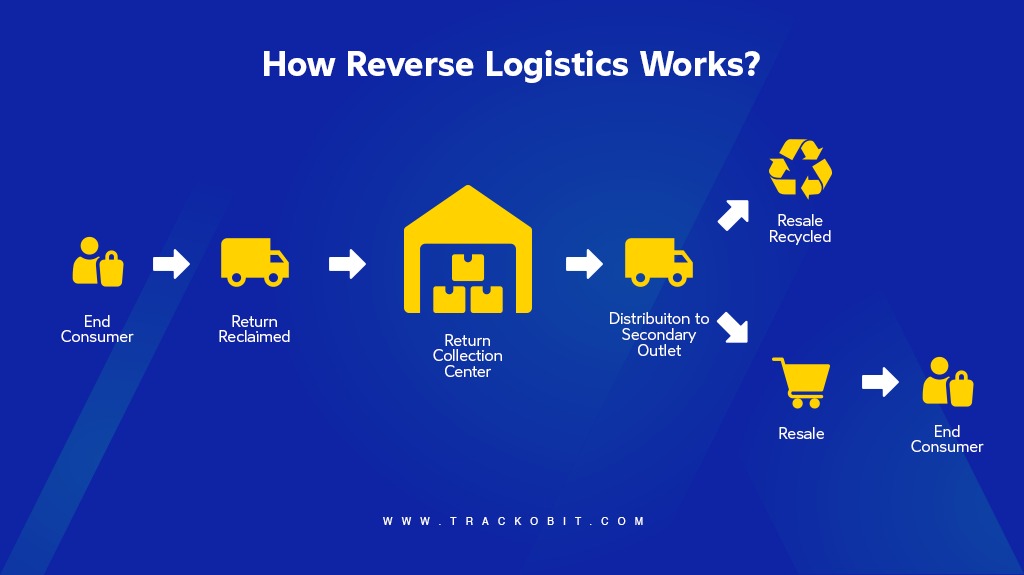
Reverse logistics refers to the process of moving goods from their final destination — typically the customer — back to the seller or manufacturer. This includes returns, exchanges, repairs, recycling, and even the resale of returned items. Unlike forward logistics, which is relatively linear and predictable, reverse logistics is far more unpredictable, since businesses don’t control when, why, or in what condition a product comes back.
Why Businesses Struggle With Returns
Handling returns internally poses several challenges:
- Unpredictable volume – Return spikes after holidays or sales events can overwhelm warehouse staff.
- Inconsistent product condition – Items may be damaged, opened, or missing parts, requiring careful inspection.
- Slow processing times – Manual sorting and restocking can delay refunds and frustrate customers.
- Higher costs – Without optimized systems, transportation and storage costs for returns can spiral.
These challenges are why many companies turn to specialized reverse logistics providers instead of trying to manage the entire process alone.
How Reverse Logistics Providers Streamline the Process
1. Efficient Return Processing
Reverse logistics providers use dedicated facilities and trained staff to inspect, sort, and process returns quickly. This reduces the turnaround time between a customer sending back an item and the business issuing a refund or exchange.
2. Smart Routing and Transportation
Instead of shipping every return back to a central warehouse, many providers use regional hubs to cut down on transportation time and cost. This localized approach speeds up processing and reduces the carbon footprint of return shipments.
3. Technology-Driven Tracking
Modern reverse logistics providers rely on software platforms that give businesses real-time visibility into the status of returned items — from pickup to final disposition. This transparency helps companies make faster decisions about restocking, refurbishing, or liquidating products.
4. Refurbishment and Resale Management
Not every returned item goes back on the shelf. Reverse logistics providers often manage refurbishment processes, grading products based on condition and channeling them into secondary markets, outlet stores, or liquidation channels — recovering value that would otherwise be lost.
5. Sustainable Disposal Practices
For items that can’t be resold, responsible reverse logistics providers ensure proper recycling or environmentally friendly disposal, helping businesses meet sustainability goals and reduce landfill waste.
The Business Benefits
Partnering with a reverse logistics provider offers measurable advantages:
- Cost savings through optimized transportation and reduced labor overhead
- Faster refunds and exchanges, which improve customer satisfaction and loyalty
- Better inventory accuracy, since returned stock is processed and reintegrated quickly
- Reduced environmental impact through structured recycling and resale programs
- Scalability during peak return seasons without straining internal resources
Choosing the Right Partner
Not all providers offer the same level of service. Businesses should look for partners with strong technology integration, transparent reporting, flexible network coverage, and experience handling their specific product category — whether that’s apparel, electronics, or bulky goods.
Final Thoughts
As e-commerce continues to grow, so does the volume and complexity of product returns. Businesses that try to manage this process entirely on their own often face rising costs and slower service. By partnering with experienced reverse logistics providers, companies can turn a traditionally costly and chaotic process into a streamlined, customer-friendly, and even profitable part of their operations.
