

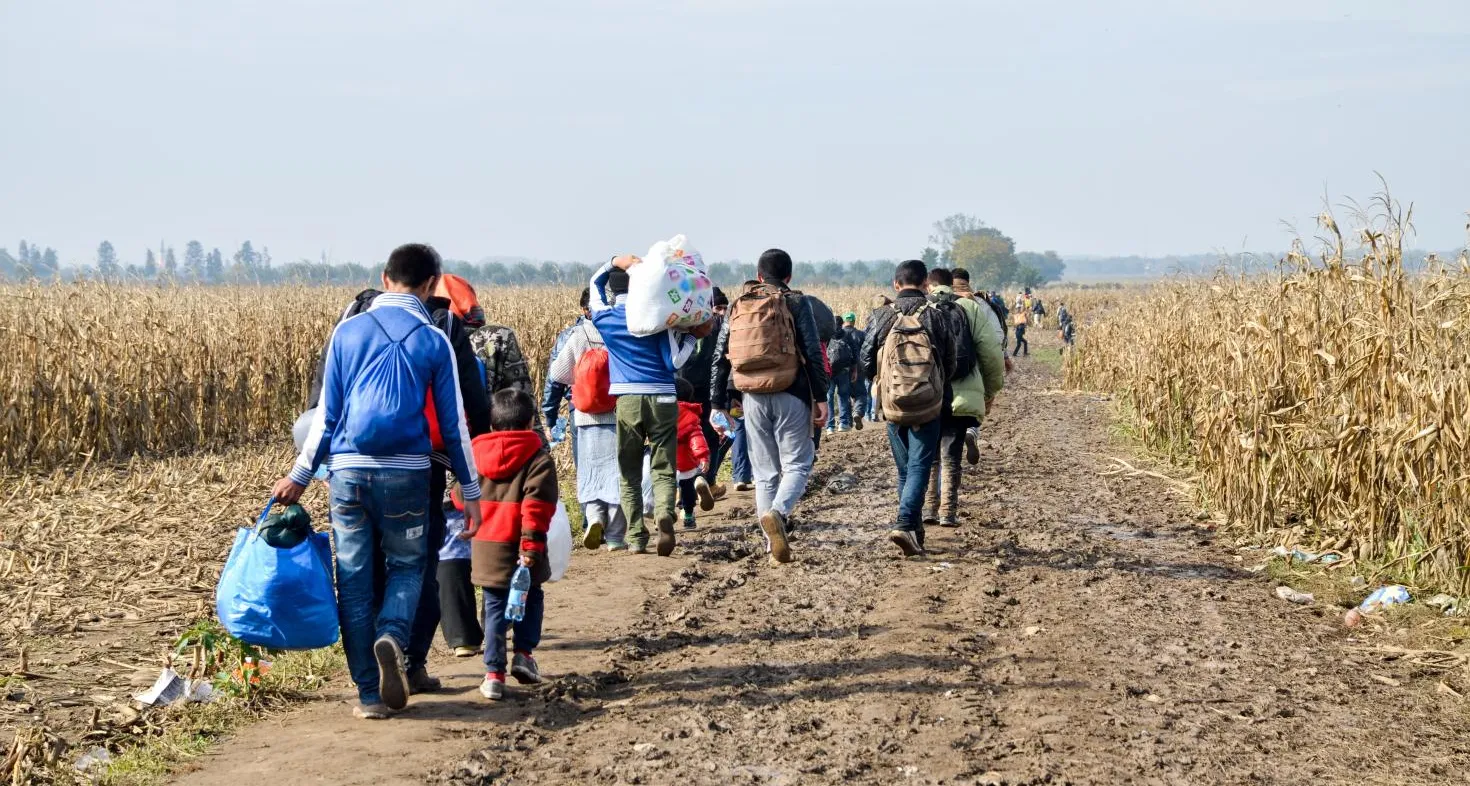
Finding people who do not want to be found – or who simply cannot be reached – is one of the most demanding challenges in investigative journalism and human rights work. Whether a reporter is piecing together the story of a refugee family scattered across three countries or a human rights investigator is trying to confirm the whereabouts of a witness who fled state persecution, the process of locating displaced and hard-to-reach individuals requires patience, creativity, and a disciplined methodology.
Why Finding Sources Is So Difficult
Displaced persons, survivors of trafficking, asylum seekers, and whistleblowers often share one thing in common: they have moved, deliberately or by force, and the contact information the world once had for them is no longer valid. Addresses change. Phone numbers are abandoned. Social media profiles are deleted for safety. In some cases, sources are actively hiding from the very governments or groups that journalists are investigating.
This creates a fundamental tension. The story cannot be told without the source, yet reaching that source safely – both for them and for the journalist – demands careful, methodical work. There is no single shortcut that solves this problem, but there are frameworks and tools that experienced investigators rely on time and again.
Starting With Open-Source Intelligence
Most experienced journalists begin with open-source intelligence (OSINT). This means combing through public records, social media platforms, court documents, property registries, and news archives to build a picture of where a person may be. Platforms like LinkedIn, Facebook, and even community forums can offer clues – a tagged photograph from a relative, a comment on a local community page, or a business registration in a new city.
Human rights organizations frequently rely on testimony gathered from witnesses outside the country of concern, including refugees and asylum seekers who have resettled abroad. These out-of-country witnesses are sometimes found through diaspora organizations, refugee advocacy groups, legal aid clinics, or faith-based resettlement programs. Building relationships with these organizations over time is often the most reliable way to reach otherwise inaccessible communities.
Using People-Search and Location Tools
When public records and social media come up short, investigators often turn to professional lookup services. These tools aggregate data from a wide range of public sources – utility records, voter registrations, address histories, and more – to surface current contact information for individuals who have relocated. For journalists working on deadline or investigators trying to verify that a source is safely reachable, services like ScraperCity’s people-finder tool can significantly reduce the time spent on manual searching. The key is using these resources ethically, with clear editorial purpose, and in compliance with applicable privacy laws.
The tool itself is only as good as the judgment of the person using it. Responsible journalists cross-reference any information gathered through automated services with at least one additional source before making contact. Reaching out to a displaced person through incorrect channels – or tipping off the wrong party – can have serious consequences.
Building Trust Before Making Contact
Once a potential source is located, the next challenge is arguably harder: earning their trust. People who have been displaced by violence, persecution, or trafficking are often deeply wary of strangers asking questions. Cold outreach – an unexpected phone call or an email from an unknown journalist – can trigger fear rather than cooperation.
Experienced investigators recommend working through intermediaries whenever possible. A local NGO worker, a trusted community elder, or a previously interviewed source who can vouch for the journalist’s intentions can open doors that no amount of clever searching will unlock. Human Rights Watch and similar organizations formalize this process through field-based research teams who embed themselves in communities over extended periods before collecting testimony.
Protecting Sources and Yourself
Tracking down a source is only the beginning. Protecting them – and protecting yourself – throughout the reporting process is equally important. This means using encrypted communication tools, being transparent about how information will be used, and, in some cases, offering anonymity or delaying publication until a source is safely out of harm’s way.
Investigative journalists working in high-risk environments also need to be mindful of their own wellbeing. The psychological toll of spending months immersed in stories about displacement, trauma, and human rights violations is significant. Research into the relationship between chronic stress and physical health – including resources that explore how stress affects fertility and hormonal balance, such as this overview of how stress impacts reproductive wellness – underscores why self-care is not a luxury but a professional necessity for anyone doing sustained trauma-adjacent work.
Verification and Corroboration
Finding a source is not the same as verifying their account. Every testimony, document, or piece of contact information gathered through the methods described above must be subjected to rigorous corroboration. Investigators cross-reference dates, locations, names, and details against other evidence. A single compelling account that cannot be verified independently may not be publishable – and publishing unverified claims in human rights reporting can endanger individuals and undermine the credibility of the entire investigation.
This is where institutional methodology matters. Organizations like Human Rights Watch publish their research frameworks publicly, emphasizing a broad range of sources, consistent documentation standards, and internal review processes before findings are released. Freelance journalists and smaller newsrooms can adopt similar principles even without large institutional backing.
Final Thoughts
Locating displaced persons and hard-to-reach sources is never simple, but it is rarely impossible. The combination of open-source research, community relationships, professional lookup tools used responsibly, and careful trust-building gives investigators a realistic path forward even in the most difficult cases. The work is slow, often emotionally demanding, and always ethically complex – but it is precisely this work that gives voice to people whose stories would otherwise remain untold.
