

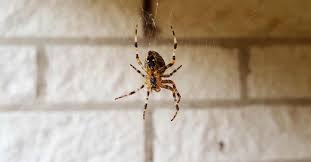
It’s easy to assume that spiders are the main problem when you begin seeing them inside your home. A web in the corner, a spider near the ceiling, or repeated sightings in the same areas can indicate an infestation is developing. However, in most cases, spiders are not the root issue. They are simply a visible sign of a deeper problem.
Spiders enter homes for one primary reason: food. If they are appearing regularly, it usually indicates an underlying pest issue that has gone unnoticed. Understanding this connection is essential, as effective spider control depends on identifying and addressing the factors that attract them.
Why Spiders Are Not the Real Problem
Spiders are natural predators. Unlike ants or cockroaches, they do not invade homes in large numbers or form colonies. Instead, they settle in areas where food is consistently available. Their diet mainly consists of insects such as flies, ants, mosquitoes, moths, and even small cockroaches.
This means that when spiders are present indoors, they are responding to an existing food source. In many cases, repeated sightings indicate increased insect activity, hidden breeding areas, or unnoticed entry points that allow pests to move freely inside the home.
Removing spiders without addressing these underlying conditions is only a temporary fix. New spiders will continue to appear as long as their food source remains available.
What Attracts Spiders Indoors
To understand why spiders are appearing, it is important to look at what attracts the insects they feed on. Insects are drawn to homes by food, moisture, warmth, and shelter. Once these conditions are present, spiders naturally follow.
Food residue is one of the most common attractants. Crumbs, spills, and improperly stored food can draw ants, flies, and cockroaches into the home. These insects then become an easy and reliable food source for spiders.
Moisture also plays a major role. Kitchens, bathrooms, and damp areas create ideal conditions for insects such as silverfish and mosquitoes. Once these insects establish themselves, spider activity increases in the same areas.
Lighting is another factor that is often overlooked. Bright lights near windows and doors attract flying insects at night. Spiders tend to build webs nearby because these locations provide a consistent supply of prey. Over time, this creates a pattern where both insects and spiders gather around entry points and light sources.
Hidden Pest Activity You May Not Notice
One of the biggest challenges is that the pests attracting spiders are often hidden from view. You may not see the insects themselves, but they can still be active within the structure of your home.
For example, small ant colonies can exist inside wall cavities or behind cabinetry, while cockroaches often remain hidden behind appliances or inside kitchen units. Flies may breed in bins, drains, or unnoticed organic waste, and silverfish tend to thrive in damp storage areas or bathrooms.
These pests are usually active at night or in concealed spaces, which allows them to go unnoticed for long periods. However, they provide a steady food source that supports a spider population. In this way, spiders become a visible indicator of a hidden pest infestation.
Where the Problem Usually Starts
Spider activity tends to begin in areas where insect activity is already present. Kitchens are a common starting point due to the presence of food residue, warmth, and moisture. Bathrooms and laundries also create favourable conditions because of humidity.
Storage areas such as garages, cupboards, and roof spaces often become hotspots as well. These spaces are typically dark, undisturbed, and cluttered, making them ideal environments for both insects and spiders.
Spiders are also frequently seen near windows, doors, and light fixtures. These locations act as entry points for insects, and spiders position themselves strategically to capture prey. Once established in these areas, spider activity can gradually spread throughout the home.
Why Removing Spiders Alone Does Not Work
A common approach is to remove webs or spray visible spiders. While this may reduce activity temporarily, it does not address the source of the problem. If insects remain present, new spiders will quickly take their place.
This creates an ongoing cycle where spiders are removed, insect activity continues, and spiders return again. Because spiders do not rely on a central nest, eliminating individual spiders has little long-term impact.
Effective control requires addressing the conditions that support both insects and spiders. Without this, the problem will persist regardless of how often spiders are removed.
The Role of Insect Control in Reducing Spider Activity
Reducing insect activity is one of the most effective ways to minimise spider presence. When the food source is removed, spiders have no reason to remain.
General pest management and insect control play a key role in breaking this cycle. By targeting common household pests such as ants, flies, and cockroaches, it becomes possible to significantly reduce spider activity at the same time.
This broader approach ensures that the problem is treated at its source rather than focusing only on visible symptoms.
Environmental Factors That Sustain the Problem
Environmental conditions within the home can also contribute to ongoing spider activity. High humidity, poor ventilation, and water leaks create ideal conditions for insects, which in turn attract spiders.
Cluttered spaces provide shelter for both insects and spiders, allowing them to remain hidden and undisturbed. Entry points such as cracks in walls, gaps around windows and doors, and unsealed vents make it easier for pests to enter the home.
If these factors are not addressed, spider activity will continue even after repeated cleaning or treatment.
Practical Steps to Reduce Spider Activity
Homeowners can take several practical steps to reduce both insect and spider presence. Keeping food preparation areas clean and free of crumbs helps eliminate one of the main attractants. Fixing leaks and reducing moisture in kitchens and bathrooms can also limit insect activity.
Decluttering storage areas removes hiding spots, while sealing gaps around windows, doors, and walls helps prevent pests from entering. Adjusting outdoor lighting or using insect-reducing bulbs can further reduce the number of insects gathering near entry points.
These steps work together to create an environment that is less attractive to both insects and spiders.
Conclusion
Spiders appearing inside your home are rarely the main problem. They are usually a sign of hidden insect activity that has gone unnoticed. By understanding this relationship, it becomes clear why removing spiders alone does not provide a long-term solution.
The key to effective control lies in identifying and addressing the underlying causes. When insect activity is reduced and environmental conditions are improved, spider presence naturally declines.
Taking a broader pest management approach ensures that both the visible symptoms and the hidden causes are addressed, leading to a more lasting result.
FAQs
1. Do spiders in the house always mean there are other pests?
In most cases, yes. Spiders are attracted to insects, so their presence often indicates underlying pest activity.
2. What insects attract spiders indoors?
Flies, ants, cockroaches, moths, and mosquitoes are common food sources for spiders.
3. Why do spiders keep returning after cleaning?
They return because the food source remains. If insect activity continues, spiders will follow.
4. Where should I check for hidden pest activity?
Focus on kitchens, bathrooms, storage areas, and spaces behind appliances or inside walls.
5. Can I eliminate spiders without treating other pests?
Not effectively. Long-term results require addressing the insects that attract spiders.
6. When should I seek professional pest control?
If spider sightings are frequent or ongoing, it is likely a sign of a larger pest issue that requires a complete solution.