

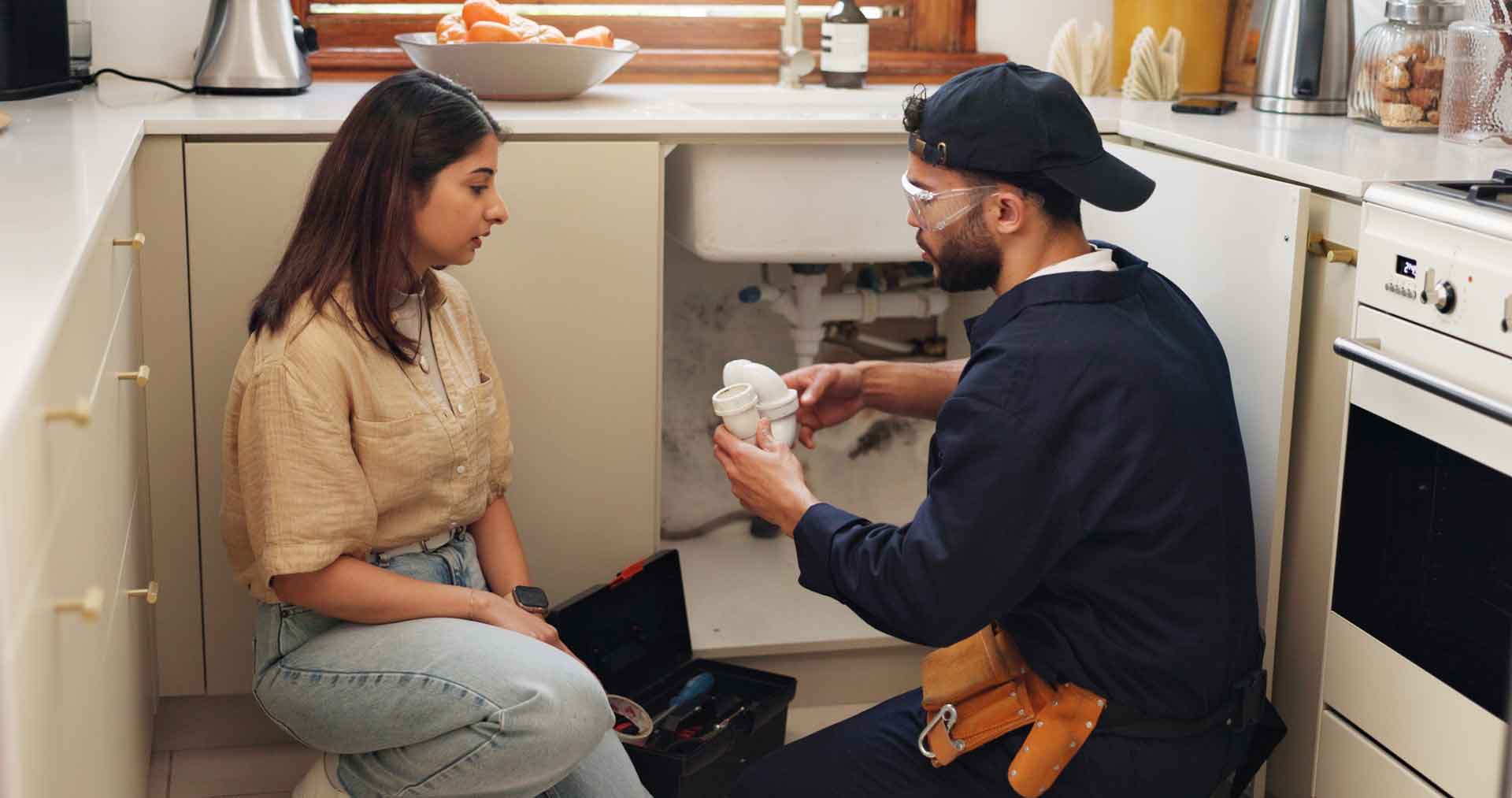
Kitchen renovations are often seen as a fresh start, a chance to upgrade outdated spaces, add modern finishes, and increase the overall value of a home. However, many homeowners are caught off guard when plumbing issues appear weeks or even months after the renovation is complete. A slow leak, a blocked drain, or a sudden pipe failure can quickly turn an exciting upgrade into a stressful and expensive situation. What most people don’t realise is how closely kitchen surfaces, especially benchtops, are connected to the plumbing systems beneath them.
During renovations, attention is usually focused on visible elements like cabinetry, splashbacks, and benchtops, while plumbing is assumed to be “out of sight, out of mind.” Unfortunately, this assumption often leads to costly mistakes.
When plumbing systems are disturbed, even slightly, without proper planning or inspection, problems can develop quietly and worsen over time. Understanding the relationship between plumbing and benchtop installation is essential for avoiding unexpected post-renovation issues.
Why Plumbing and Benchtops Are More Connected Than You Think
Plumbing infrastructure sits directly below or behind kitchen benchtops, making it highly vulnerable during renovation work. Sinks, taps, dishwashers, water filters, and drainage pipes are all positioned in close proximity to the benchtop structure. Any change to benchtop height, thickness, or layout can require adjustments to pipe alignment, water pressure, or drainage flow.
Problems often arise when trades work in isolation. A benchtop installer may focus solely on achieving a perfect finish, while plumbing considerations are overlooked or assumed to be unchanged. Even minor alterations, such as shifting a sink by a few centimetres, can place stress on pipe joints or flexible connectors. Without coordination between trades, these small issues can escalate into leaks or blockages long after the renovation appears complete.
The Most Common Plumbing Failures During Kitchen Upgrades
One of the most frequent plumbing issues during kitchen renovations is pipe misalignment. When cabinetry or benchtop dimensions change, existing plumbing may no longer sit correctly, leading to tension on joints and connectors. Over time, this tension can cause seals to weaken, resulting in slow leaks that are difficult to detect early.
Demolition is another major risk factor. Removing old benchtops and cabinets can accidentally damage pipes, valves, or fittings hidden behind walls. In some cases, temporary fixes are applied to keep the project moving, but these rushed solutions often fail later. Poorly sealed joints, reused connectors, and incorrect pipe gradients are all common outcomes of renovations completed under tight timelines.
How Surface Choices Affect the Installation Process
Material choice plays a significant role in how plumbing is impacted during a kitchen renovation. Heavier and denser surfaces, such as a porcelain kitchen benchtop, require precise measurements, reinforced cabinetry, and specialised cutting techniques. These requirements often mean more extensive work around sink cutouts, tap holes, and drainage areas.
Because porcelain is less forgiving than other materials, installers may need to remove or adjust plumbing components to achieve an exact fit. If plumbing is reconnected without proper testing or inspection, hidden weaknesses can remain undetected. The added weight and rigidity of the benchtop also place extra pressure on cabinetry and fixtures, making proper plumbing support even more critical.
What Happens When Problems Go Unnoticed
Plumbing issues that develop after a renovation rarely present themselves immediately. Instead, they often begin as slow leaks behind cabinets or beneath flooring. Over time, moisture can seep into surrounding materials, leading to mould growth, swollen cabinetry, and structural damage to the subfloor.
The longer these issues go unnoticed, the more expensive they become to fix. What could have been a minor pipe adjustment may turn into a full cabinet replacement or flooring repair. In severe cases, water damage can compromise electrical systems or attract pests, creating further safety risks for homeowners.
Why Getting the Right Trades Involved Matters
One of the most effective ways to prevent post-renovation plumbing problems is to involve qualified professionals at the right stages of the project. A licensed plumber morphett vale, should assess existing pipework before benchtop installation begins. This allows potential issues, such as outdated fittings, corroded pipes, or poor water pressure, to be addressed proactively.
Equally important is a post-installation inspection. Once the benchtop and fixtures are in place, plumbing systems should be tested under normal use conditions. This final check ensures that all connections are secure and functioning correctly, providing peace of mind long after the renovation is complete.
Conclusion
Kitchen renovations don’t have to come with unexpected plumbing problems. By planning renovations in the correct order, coordinating trades effectively, and inspecting plumbing both before and after surface installations, homeowners can avoid costly surprises. Benchtops may be the most visible part of a kitchen upgrade, but it’s what lies beneath them that truly determines long-term success. Careful planning today can prevent major repairs tomorrow.
FAQs
Why do plumbing issues appear after a kitchen renovation?
Plumbing issues often appear after renovations because pipes and fittings are disturbed during demolition or installation. Even small adjustments can weaken joints or create misalignment, leading to delayed leaks or blockages.
Should plumbing be inspected before installing a new benchtop?
Yes, plumbing should always be inspected before benchtop installation. Identifying existing issues early allows repairs or upgrades to be completed before new surfaces make access more difficult.
Can benchtop installers handle plumbing adjustments?
Benchtop installers are not licensed plumbers. While they may move fixtures temporarily, all plumbing adjustments should be handled by a qualified professional to ensure compliance and long-term reliability.
Are heavier benchtops more likely to cause plumbing problems?
Heavier materials increase the risk if plumbing is not properly supported or aligned. The additional weight can place strain on fixtures and cabinetry, making proper preparation essential.
How can I tell if there’s a hidden leak after renovation?
Signs include musty odours, swollen cabinetry, unexplained water bills, or mould growth. If you notice any of these, a professional inspection is recommended immediately.
Is it expensive to fix post-renovation plumbing issues?
Costs vary depending on severity. Minor fixes are affordable if caught early, but delayed detection can lead to extensive repairs involving cabinetry, flooring, and structural elements.