

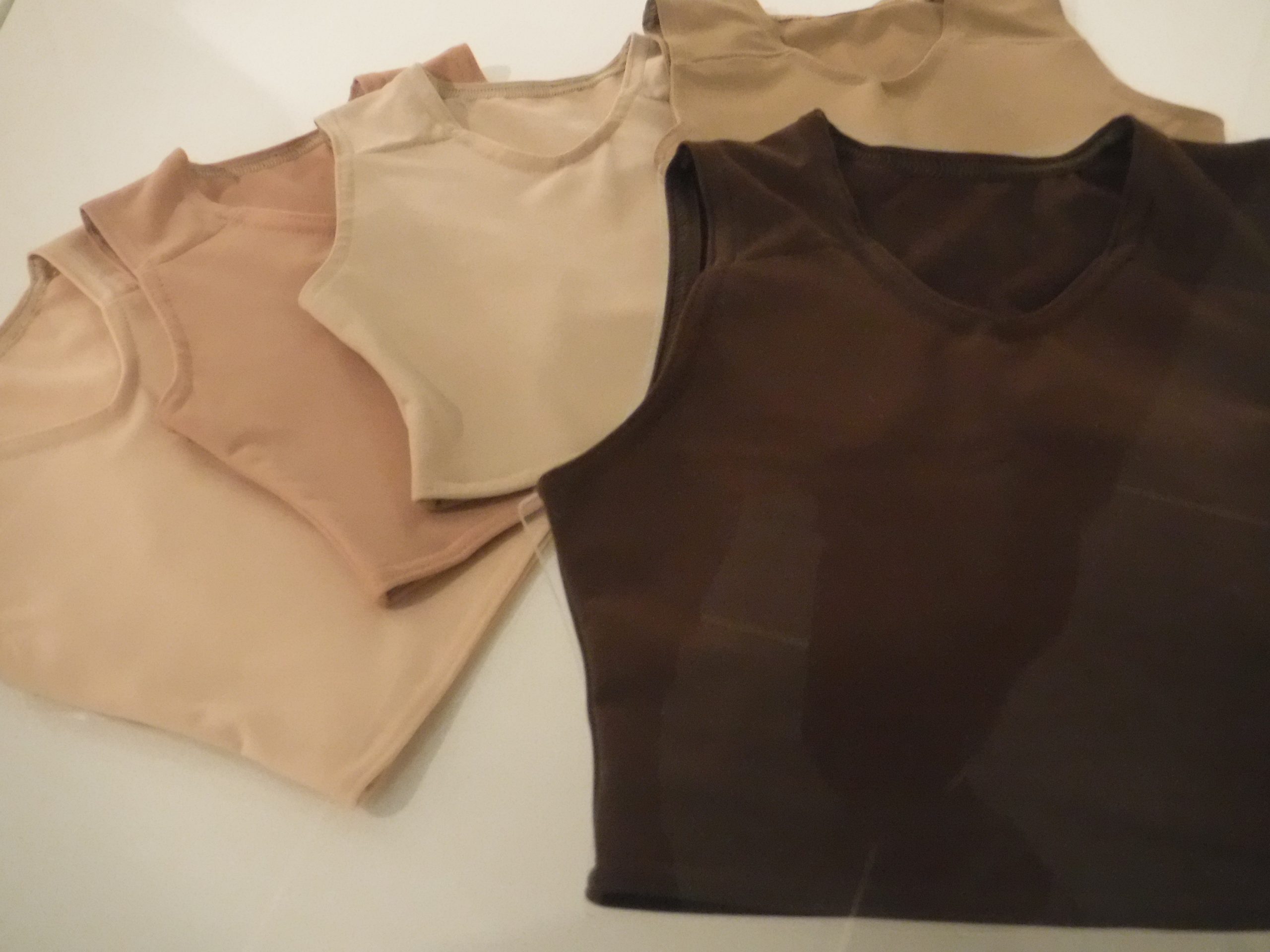
A chest binder, also called a medical chest binder, is an orthopedic aid that you wear around your chest to give it support and keep it stable.
Let’s quickly go over its features, benefits, and who can use it!
What is a chest binder used for?
Main chest binder uses include:
- Post-Surgical Support: Protect surgical cuts and hold the sternum together after open-heart surgery, cardiothoracic procedures, or sternotomies.
- Rib Fracture Stabilization: Provides firm compression to fractured or dislocated ribs, reducing movement of the bone fragments to promote faster healing.
- Pain Management: Stops the sudden, painful swelling of the chest wall that often happens after thoracic injuries when you cough, sneeze, or take a deep breath.
- Sternum Protection: Usually involves a foam pad to “splint” the breastbone that prevents the rib cage from pulling apart during recovery.
- Intercostal Strain Relief: It supports the muscles between the ribs when they are strained or torn, allowing the soft tissue to relax and repair.
- Phlegm Expulsion: By offering broad compression, it helps you exert enough force to cough safely and clear your lungs after surgery without causing re-injury.
Who can use a chest binder?
The following individuals can use a chest binder support:
- Post-Operative Patients: Those recovering from open-heart surgery, sternotomies, or bypass procedures often wear it to keep the breastbone (sternum) stable during the recovery phase.
- Rib Fracture Patients: Those with cracked, broken, or dislocated ribs use them to limit painful movement of the bone fragments and prevent further internal injury.
- Thoracic Surgery Recovery: Patients who have undergone lung or chest wall surgeries use binders to support surgical incisions and minimize the risk of wound dehiscence.
- Sufferers of Intercostal Strain: Athletes or individuals with torn or strained muscles between the ribs use the compression to rest the affected soft tissue.
- Individuals with Pleurisy: Individuals experiencing inflammation of the lung lining may use a binder to restrict deep, painful chest expansions.
- Trauma Victims: Those who have suffered blunt force trauma to the chest use binders to prevent excessive chest wall movement while being monitored for recovery.
What are the main benefits of wearing a chest binder?
Some main benefits of a medical chest binder are:
- Sternum Stabilization: It offers necessary support to the breastbone after surgical procedures (e.g., open-heart surgery), making sure the bone stays aligned while it recovers.
- Pain Reduction: By limiting the expansion of the chest wall, the binder significantly decreases the sharp pain felt during involuntary actions like coughing, sneezing, or deep breathing.
- Wound Protection: It keeps surgical incisions secure and compressed, reducing the risk of the wound reopening because of sudden movements or physical strain.
- Respiratory Support: The chest support allows you to cough more safely by “splinting” the chest. This helps clear the fluid from the lungs and prevents post-operative pneumonia.
- Accelerated Bone Healing: The gentle compression from the binder minimizes risky motions, promoting quick recovery.
- Edema Control: It helps alleviate swelling and fluid accumulation around the area of a chest injury or surgery.
Is a chest binder recommended after surgery?
A chest binder after surgery is always recommended by surgeons. Its main function is to ensure necessary stabilization to the rib cage and the breastbone while the bone tissue knits back together.
- By acting as an external splint, the chest binder for compression effectively reduces acute pain associated with deep breathing, coughing, or sneezing post-operation. This support is crucial for preventing respiratory complications like pneumonia, since it allows patients to clear their lungs more effectively. Additionally, the constant, even compression helps protect surgical incisions from opening and manages localized swelling.
How long should a chest binder be worn daily?
Your doctor or surgeon determines how long you can wear a chest binder daily. This decision is made by evaluating the severity of your condition, activity level, overall wellness, and healing progress. Here’s the basic guideline:
- Continuous Post-Surgical Support: For the first few weeks after a heart or chest surgery, surgeons advise wearing it for prolonged hours during the day. This keeps your breastbone in place while it knits back together.
- Fracture Stabilization: If you’re treating a fracture, you’ll likely wear it all day and night. The goal is to prevent those sharp, stabbing pains when you accidentally roll over or cough.
- Controlled Breaks: You aren’t “glued” into it! It’s actually important to take short breaks (usually 15–30 minutes) a few times a day to check your skin for redness and to let your body breathe.
- Weaning Phase: As you get stronger, your doctor might move you to “daytime only” use (about 8 to 12 hours) before letting you retire it completely.
Can wearing a chest binder affect breathing?
It’s normal for a chest binder to feel snug while it helps your ribs heal. To stay comfy, use the “two-finger” rule to ensure it isn’t too tight. If deep breaths feel a bit different, just focus on gentle, steady breathing. A quick adjustment is all you require when you feel lightheaded or restricted. You may consider a Leeford Ortho Chest Binder, which is crafted from breathable fabrics and has adjustable features.
What features should I look for in a good chest binder?
While choosing an orthopedic chest binder for recovery, check for these features:
- Breathable Fabric: Opt for moisture-wicking, medical-grade cotton or elastic to prevent skin irritation and overheating.
- Adjustable Closures: Velcro or hook-and-loop straps enable you to customize the compression level as swelling decreases.
- Anatomical Contouring: Look for a flexible design that fits your specific body shape without digging into your underarms.
- Easy Application: Front-closing models are best, especially if your arm mobility is limited after surgery.
Final Thought
A compression chest rib belt is a vital aid during thoracic recovery. It assists in pain control and helps shield healing incisions from unnecessary strain. Adherence to your doctor’s usage advice and incorporating a reliable support aid, such as a Leeford Ortho Chest Binder, can support smoother recovery.