

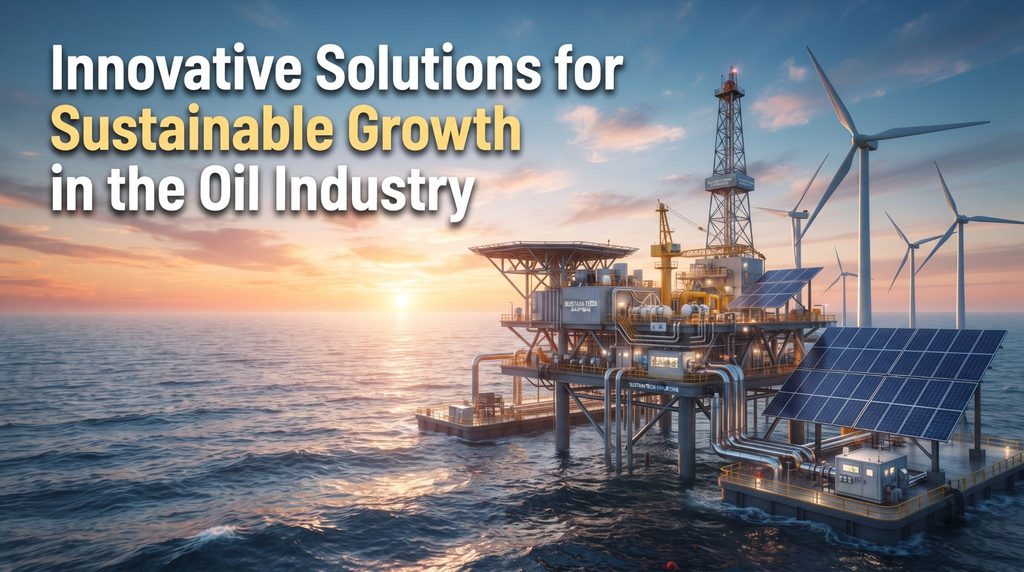
The oil industry continues to face pressing challenges as global demand for energy evolves and environmental concerns become paramount. To maintain profitability and meet regulatory expectations, companies require innovative strategies that promote sustainable growth. A key component in this endeavour is the role of the fuel distributor, who not only ensures efficient supply chains but also adopts practices that lower environmental impact.
Understanding the Role of Fuel Distributors
Fuel distributors act as essential intermediaries between oil producers and end consumers. Their responsibility extends beyond mere transportation and storage; it also involves managing logistics, ensuring compliance with environmental standards, and introducing technological advancements to enhance operational efficiency. This multifaceted role makes them key players in driving sustainable growth.
Adoption of Advanced Distribution Technologies
Emerging technologies such as automated inventory tracking, real-time data analytics, and IoT-enabled monitoring systems are revolutionising how fuel distributors manage their operations. These innovations enable precise demand forecasting, reduce wastage, and streamline delivery processes, all of which contribute to lowering carbon footprints.
Implementing Renewable Energy Practices
While the oil industry traditionally revolves around fossil fuels, many fuel distributors are actively integrating renewable energy solutions into their operations. These include the use of electric or hybrid vehicles for transportation, solar-powered storage facilities, and energy-efficient heating systems. Such initiatives demonstrate a commitment to sustainability while maintaining service reliability.
Optimising Supply Chain Management
Efficient supply chain management is crucial for reducing operational costs and environmental impact. Innovative solutions such as route optimisation software and centralized distribution hubs help minimise fuel consumption and emissions during transportation. Furthermore, collaboration with local stakeholders ensures smoother operations and adherence to regional regulations.
Compliance with Environmental Regulations
Strict environmental standards necessitate that fuel distributors remain compliant with legislation regarding emissions, spill prevention, and waste management. Adopting innovative monitoring and reporting tools facilitates transparency and accountability while helping businesses avoid financial penalties and reputational damage.
Training and Workforce Development
Sustainable growth requires well-informed personnel capable of implementing best practices in safety and environmental stewardship. Ongoing training programmes equip employees with the knowledge and skills needed to operate advanced technologies and adhere to regulatory requirements.
Collaboration and Industry Partnerships
Fuel distributors benefit from active participation in industry associations and partnerships that promote knowledge sharing and coordinated efforts towards sustainability. Such collaboration accelerates the adoption of innovative solutions and fosters a culture of continuous improvement.
Customer Engagement and Transparency
Increasingly, consumers demand transparency regarding the environmental impact of the products they purchase. Fuel distributors can enhance customer trust by providing clear information on sustainability initiatives and product sourcing, thereby differentiating themselves in a competitive market.
Financial Incentives for Sustainable Practices
Governments and private entities often provide financial incentives such as tax credits, grants, and favourable financing for companies that invest in sustainable technologies. Fuel distributors can leverage these resources to implement necessary innovations without compromising financial stability.
Case Studies of Successful Implementation
Several fuel distributors worldwide have demonstrated measurable successes through sustainable growth initiatives. These include reductions in greenhouse gas emissions, improvements in operational efficiency, and enhanced community relations. Documenting and analysing these cases provides valuable insights for broader adoption.
Challenges and Future Outlook
Despite the benefits, the transition to sustainable practices presents challenges including capital investment requirements, technological complexity, and resistance to change. However, as market dynamics and regulations evolve, the impetus for innovation continues to strengthen.
Integrating Circular Economy Principles
Applying circular economy concepts, such as recycling and reuse of materials within fuel distribution processes, can significantly reduce waste and environmental impact. Innovative packaging solutions and recovery systems contribute to this approach.
Leveraging Digital Transformation
Digital transformation facilitates improved data management, predictive maintenance, and customer interface enhancements. Fuel distributors who embrace these tools position themselves at the forefront of sustainable growth.
The Importance of Corporate Social Responsibility
Incorporating corporate social responsibility within operational strategies underscores a fuel distributor’s commitment to sustainable development, social equity, and environmental protection, thereby attracting investors and customers alike.
Conclusion
The oil industry’s future depends on adopting innovative solutions that foster sustainable growth. The integral role of fuel distributors in this process encompasses technological adoption, regulatory compliance, and strategic partnership development. By embracing these approaches, the sector can meet energy demands while minimising environmental impact and securing long-term viability.
