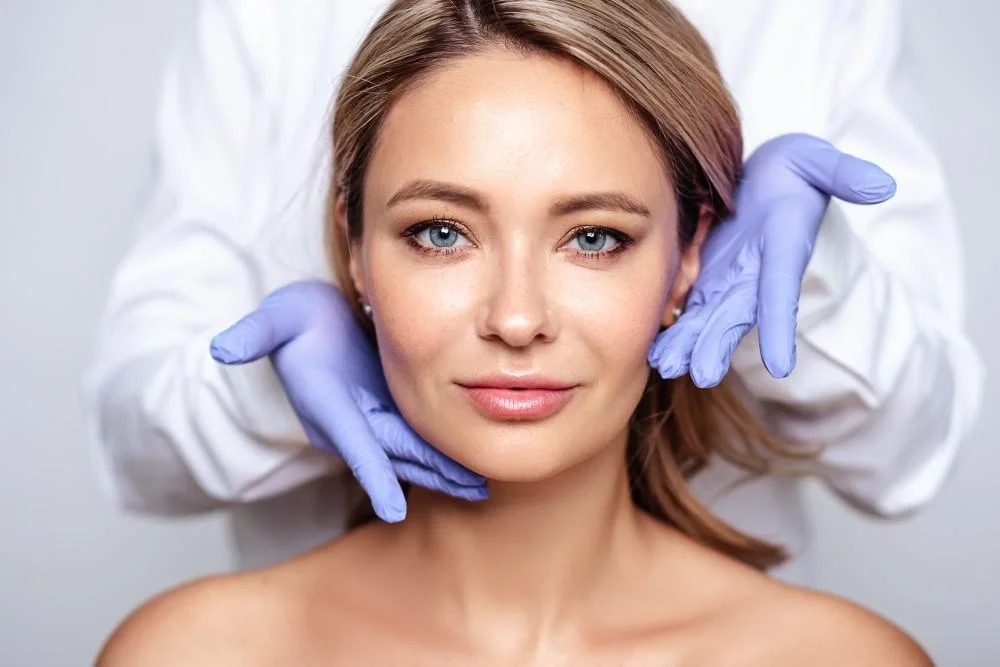
Dermal fillers are one of the kinds of medical aesthetic procedures that demand strong knowledge of facial anatomy, injection technique, and patient evaluation. However, fillers have a widespread reputation for being used mainly for cosmetic enhancement. They still, in fact, utilize injectable materials that do, though limited, interact with blood vessels, nerves, and connective tissue.
The safety-first method indeed minimizes the risk of complications, including asymmetry, infection, or vascular issues. The knowledgeable method starts by acknowledging that providers’ medical standards differ and that not all providers are the same.
- Evaluating clinics when you search for one
As you get on with the search “fillers near me”, you should check more than cost and proximity. The best way to know whether a treatment clinic is reputable and has transparent business policies is to look at its medical oversight. You also need to check its treatment planning and the entire consultation process.
If you find that the clinic assesses patients’ medical history, offers in-depth consultations, and conducts informed consent conversations, you know they are safe to partner with. Also, the clinics that provide customized evaluations rather than following a standard treatment package for all are the ones that will take accountability for the process. They will also ensure complete patient well-being and recovery after the filler treatment.
- Assessing the treatment quality and products used
The filler product’s quality and type will have a lot to say about how safe it is for real use. Sanctioned dermal fillers, for instance, the ones that make use of hyaluronic acid are a safe option. It’s because they go through strict scrutiny for biocompatibility and overall quality. Patients mustn’t have any doubts about the treatment. For that, they should get frank and feel comfortable to enquire about the composition, brand, and the filler reversibility. Also, factors such as proper handling, correct storage, and compliance with sterile procedures are necessary to ensure the risk is very low.
- Identifying the probable risk factors
There are specific indicators to note that may suggest the safety standards being applied are not up to standard. These indications may include the absence of medical monitoring, a very short consultation, or an unwillingness to discuss the possible dangers and adverse effects. Moreover, the impossibly good results predicted, or the stress to go ahead with the process even if the patient has not undergone sufficient analysis, could also be seen as red flags. Conscientious practitioners consider patient choices based on complete information as their first priority and openly share the pros and cons of the filler therapies with them.
- Know the qualifications of the treatment provider
Always select a practitioner who has been verified for medical licensure and has received formal training in the subject of anatomy. The proper education for aesthetic injectables, along with ongoing certification and continuing education, ensures treatments are performed following the safety and clinical standards that are established.
Conclusion
Today, the frequency at which people are opting for dermal fillers is increasing. People want to feel good about how they look, and these customized filler treatments help achieve that. However, it is necessary to ensure you receive treatment from a reputable center and under the care of an expert professional. When you keep the factors discussed above in your mind, you can make the correct choice.
<iframe src=”https://www.google.com/maps/embed?pb=!1m14!1m8!1m3!1d13364.847710887085!2d-117.1668426!3d33.1297965!3m2!1i1024!2i768!4f13.1!3m3!1m2!1s0x80dbf568bce80131%3A0xa8de52ab95e8f680!2sThe%20Studio%20Med%20Spa!5e0!3m2!1sen!2sin!4v1714803378174!5m2!1sen!2sin” width=”600″ height=”450″ style=”border:0;” allowfullscreen=”” loading=”lazy” referrerpolicy=”no-referrer-when-downgrade”></iframe>